How I Nailed Investing While Working From Home — A Real Cycle Strategy
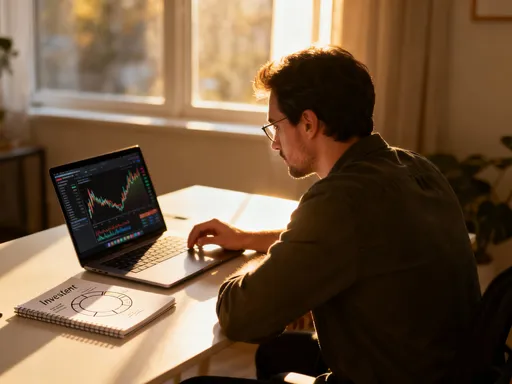
Working remotely changed more than just my commute — it reshaped how I manage money. Without office distractions, I finally had time to study the investment cycle, spot patterns, and make smarter moves. I tested methods, fell into traps, and learned what actually works. This isn’t a get-rich-quick scheme. It’s about aligning your financial rhythm with your remote lifestyle. Let me walk you through the real steps that made a difference. The shift wasn’t immediate, and the gains weren’t explosive — but over time, consistency turned small decisions into lasting results. What started as curiosity became a structured approach, one that fits the pace and privacy of working from home.
The Remote Work Financial Shift
The rise of remote work has done more than redefine office culture — it has quietly reshaped personal finance for millions. For many, the elimination of daily commutes, work lunches, and professional wardrobes has led to a noticeable increase in disposable income. A study by the U.S. Bureau of Labor Statistics found that average household transportation spending dropped by nearly 15% during peak remote work adoption, while dining and apparel costs also declined. These savings, though modest individually, accumulate into meaningful financial breathing room over time. Yet, having more money available doesn’t automatically translate into better wealth outcomes. Without intention, extra cash often disappears into lifestyle creep — upgraded subscriptions, more frequent online shopping, or unstructured spending masked as self-care.
What many fail to recognize is that remote work doesn’t just change where you earn — it changes how you earn and how you think about earning. The traditional 9-to-5 rhythm, with its predictable pay cycles and structured boundaries, has given way to a more fluid reality. Freelancers, part-time consultants, and hybrid employees often face irregular income streams, making budgeting and investing more complex. In this environment, static financial plans — like setting a fixed monthly investment amount regardless of cash flow — can become unrealistic or even harmful. When income fluctuates, a rigid strategy may force investors to choose between short-term survival and long-term growth. This misalignment is where many well-intentioned plans fail.
The financial discipline required in a remote setting is different. It demands flexibility, self-awareness, and a keen sense of timing. The absence of workplace financial conversations — watercooler chats about 401(k) contributions or peer pressure to join a retirement plan — means individuals must create their own accountability. At the same time, the solitude of working from home can amplify emotional decision-making. With a laptop always within reach, it’s easy to check stock prices between meetings or react impulsively to market news. The result is a paradox: more time to focus on finances, but also more opportunity to mismanage them. This is why a dynamic investment cycle — one that adapts to personal rhythms and market conditions — is not just useful but necessary.
Traditional investment advice often assumes stability: steady income, predictable expenses, and long-term horizons. But remote work introduces variability that challenges these assumptions. A successful strategy today must account for income volatility, behavioral triggers, and the psychological impact of isolation. It must also leverage the unique advantages of remote life — time, autonomy, and access to information — to build a system that is both resilient and responsive. The foundation of this approach is not a single decision, but a series of small, repeated actions that align with the natural ebb and flow of both markets and personal circumstances.
Understanding the Investment Cycle in Real Life
The investment cycle is often presented as an abstract concept in textbooks — a series of phases that markets go through over time. But in practice, it is deeply personal, shaped by individual behavior, timing, and emotional responses. At its core, the cycle consists of four key phases: accumulation, growth, correction, and rebalancing. Each phase presents distinct opportunities and risks, and recognizing where you are in the cycle can dramatically improve decision-making. For remote workers, who often have more time to observe and reflect, this awareness can be a powerful advantage.
The accumulation phase is when investors build their positions, often during periods of market stability or modest valuations. This is the time for consistent contributions, dollar-cost averaging, and patience. For someone working from home, this might mean setting up automatic transfers on payday, treating investment contributions like a non-negotiable bill. The growth phase follows, marked by rising asset prices and increasing optimism. This is when portfolios expand, and confidence builds. But it is also when overconfidence can creep in — especially when market gains appear effortless. A remote worker might see their portfolio grow during a quiet afternoon and feel tempted to increase risk, chasing higher returns without adjusting for volatility.
Then comes the correction phase — an inevitable downturn that tests discipline. Market dips can be triggered by economic data, geopolitical events, or shifts in investor sentiment. For remote investors, these moments can be particularly stressful. Without the structure of an office environment, there’s no natural buffer between work and financial anxiety. A bad earnings report might arrive just as a Zoom call ends, leading to an impulsive decision made in isolation. This is where emotional intelligence becomes as important as financial knowledge. Recognizing that corrections are a normal part of the cycle — not a sign of failure — helps prevent panic selling and preserves long-term growth potential.
The final phase, rebalancing, is about restoring balance to a portfolio that has drifted due to market movements. For example, if stocks have outperformed bonds, the portfolio may become too heavily weighted in equities, increasing risk. Rebalancing involves selling some winners and buying underperformers to maintain target allocations. This counterintuitive act — selling high and buying low — goes against natural instincts but is essential for long-term stability. Remote investors, with their access to real-time data and constant connectivity, are uniquely positioned to monitor these shifts. However, they must also resist the urge to over-manage. Frequent adjustments can lead to higher transaction costs and emotional fatigue. The key is to align rebalancing with a schedule — quarterly or semi-annually — rather than reacting to every market fluctuation.
Building Your Cycle-Aware Strategy
A one-size-fits-all investment strategy rarely works, especially in the context of remote work, where income and lifestyle patterns vary widely. A more effective approach is to build a cycle-aware strategy — one that adapts to your personal financial rhythm and the broader market environment. This method doesn’t rely on timing the market perfectly but on aligning your actions with the right phase of the cycle. It begins with understanding your cash flow. For remote workers, income may arrive in irregular bursts — a freelance payment here, a bonus there, or seasonal demand for gig work. Instead of forcing these funds into a rigid investment plan, a cycle-aware strategy uses them strategically.
During months of higher income, the focus should be on accumulation — adding to core holdings, paying down high-interest debt, or building an emergency fund. These periods of abundance are ideal for strengthening financial foundations. Conversely, during leaner months, the priority shifts to preservation and patience. Rather than reducing investments or pulling money out, the goal is to maintain discipline and avoid reactive moves. This requires planning ahead — knowing when income typically dips and adjusting spending and saving habits accordingly. For example, a freelance writer might earn more in the first quarter of the year and less in the fall. By mapping these patterns, they can allocate surplus income during peak months to cover investment goals during slower periods.
Risk tolerance also plays a critical role in shaping a cycle-aware strategy. Some investors are naturally conservative, preferring stability over volatility. Others are more aggressive, willing to accept short-term swings for long-term gains. The remote environment can amplify both tendencies. Without external checks, a conservative investor might become overly cautious, missing growth opportunities. An aggressive investor might trade too frequently, driven by boredom or the desire for stimulation. A balanced approach involves setting clear guidelines based on long-term goals, not momentary emotions. This might include defining maximum allocation limits for volatile assets or establishing rules for when to increase or decrease exposure based on market conditions.
Consistency, not intensity, is the cornerstone of this strategy. Small, regular actions — such as investing a fixed percentage of each payment or reviewing portfolio performance monthly — compound over time. Tools like calendar-based reviews and digital trackers can support this discipline without requiring advanced technical skills. The goal is not to obsess over daily fluctuations but to maintain a steady, informed presence in your financial life. By syncing investment behavior with personal and market cycles, remote workers can turn unpredictability into an advantage, using flexibility to enhance, rather than undermine, long-term wealth.
Risk Control: The Remote Investor’s Blind Spot
One of the most overlooked challenges of remote investing is behavioral risk. When you work from home, the line between professional duties and financial management can blur. A quick glance at your brokerage account between meetings can turn into a full trading session. Market alerts pop up on the same device used for emails and video calls, creating constant distractions. Without the natural boundaries of an office, it’s easy to fall into the trap of over-engagement. Studies in behavioral finance show that frequent monitoring of portfolios increases the likelihood of impulsive decisions — selling during downturns, buying into rallies, or chasing speculative assets. For remote workers, this risk is amplified by isolation and the absence of real-time peer feedback.
Overtrading is a common pitfall. The illusion of control — the belief that constant activity leads to better results — drives many investors to trade more than necessary. But data from Vanguard shows that investors who trade least tend to outperform those who trade most. The cost of frequent transactions, both in fees and missed compounding, can erode returns over time. For someone working remotely, the temptation to “do something” during slow work periods can lead to unnecessary trades. A market dip during a quiet afternoon might feel like an emergency, prompting a sale that locks in losses. Without a structured approach, these decisions become habitual, undermining long-term goals.
Another blind spot is the lack of accountability. In an office setting, casual conversations about markets or retirement plans can serve as informal checks on behavior. At home, that social feedback loop disappears. There’s no colleague to say, “Are you sure about that?” or “Maybe wait a day.” This isolation can lead to confirmation bias — seeking information that supports existing beliefs while ignoring contradictory evidence. It can also foster overconfidence, especially after a few successful trades. The remote investor may begin to believe they have a special edge, leading to riskier bets that eventually backfire.
To counter these risks, it’s essential to build structural safeguards. One effective method is setting “no-trade” hours — periods during the workday when financial accounts are off-limits. This creates a boundary between work and investing, reducing the chance of impulsive decisions. Another is using delayed execution rules: if you decide to make a trade, wait 24 hours before executing it. This cooling-off period allows emotions to settle and rational thinking to return. Physical separation can also help — using a different device or workspace for financial tasks, so the mindset shifts along with the environment. These practices don’t eliminate risk, but they reduce the impact of behavioral biases, turning investing into a deliberate, rather than reactive, activity.
Turning Gains into Long-Term Growth
Capturing gains is only half the battle — the real challenge is preserving them. Many investors celebrate when their portfolio rises, only to see those gains vanish due to poor follow-through. The psychology of reinvestment is complex. On one hand, there’s the urge to cash out and enjoy the rewards — a new appliance, a family vacation, or simply the comfort of extra cash in the bank. On the other, there’s the risk of holding too long, ignoring warning signs, and riding a position down. For remote workers, who may feel more emotionally connected to their investments due to constant monitoring, this tension is especially pronounced.
Compounding is the most powerful force in long-term wealth building, but it only works if gains are reinvested. A study by Fidelity found that the average investor underperforms the market by nearly 4% annually, largely due to poor timing and premature withdrawals. The difference between success and mediocrity often comes down to patience. Remote workers can leverage automation to support this discipline — setting up automatic reinvestment of dividends, scheduling regular contributions, or redirecting bonuses into investment accounts before they’re spent. These systems remove the need for constant decision-making, reducing the temptation to interfere.
Mental frameworks also play a crucial role. One effective approach is to view investment accounts as untouchable — not as a source of spending money, but as a long-term engine of growth. This mindset shift helps resist withdrawal pressure during moments of financial stress or opportunity. For example, when a home repair is needed, the instinct might be to dip into investments. But treating those funds as off-limits encourages finding alternative solutions, like adjusting the budget or using an emergency fund. Over time, this discipline reinforces financial resilience.
Real wealth is built through repetition, not revolution. A remote worker who redirects a $500 bonus into investments each quarter, reinvests dividends, and avoids unnecessary withdrawals can see significant growth over a decade. The power lies not in the size of each action, but in its consistency. By focusing on the process — not just the outcome — investors create a sustainable path to long-term growth, one that thrives in the quiet, deliberate rhythm of remote life.
Practical Tools Without the Hype
In an age of financial apps and algorithmic trading, it’s easy to believe that technology holds the key to investment success. But tools alone don’t create discipline — structure does. The most effective methods for remote investors are often low-tech and high-impact. One of the simplest is journaling investment decisions. Writing down the reason for a purchase or sale — the market condition, personal motivation, and expected outcome — creates a record that can be reviewed later. This practice increases accountability and helps identify patterns in behavior, such as reacting to news or making decisions after stressful work events.
Scheduling regular financial check-ins is another powerful habit. Instead of reacting to daily market movements, setting aside time — monthly or quarterly — to review portfolio performance, rebalance if needed, and adjust goals brings clarity and control. These sessions should be treated like important meetings, with preparation and focus. Using a simple spreadsheet to track contributions, asset allocation, and progress toward goals provides a clear picture without overwhelming complexity. The goal is not to track every penny, but to maintain awareness and alignment with long-term objectives.
Filtering noise is equally important. The constant stream of financial news, social media commentary, and market alerts can create anxiety and confusion. A cycle-aware investor learns to distinguish between signals and noise — focusing on trends that matter, like economic indicators or long-term earnings growth, while ignoring short-term speculation. This requires setting boundaries: limiting news consumption, muting unnecessary notifications, and avoiding financial forums that promote fear or hype.
By simplifying the process, remote workers can turn financial management into a calm, integrated habit. The best tools aren’t the most advanced — they’re the ones that support consistency, reduce stress, and align with real life. Structure, not sophistication, is the foundation of lasting success.
The Bigger Picture: Wealth Beyond the Portfolio
True financial health extends beyond account balances and return percentages. It includes peace of mind, reduced stress, and the freedom to make choices without financial pressure. Mastering the investment cycle isn’t just about growing wealth — it’s about gaining control. For remote workers, this control translates into greater flexibility, resilience during downturns, and confidence in uncertain times. The discipline required to navigate market cycles builds a mindset that benefits all areas of life — patience, planning, and emotional regulation.
Wealth is not just what you accumulate, but what you become in the process. The habits formed through consistent investing — delayed gratification, long-term thinking, and structured decision-making — enhance overall well-being. They reduce the anxiety that comes from financial instability and create space for what matters most: family, health, and personal growth. The remote investor who aligns their financial rhythm with their lifestyle doesn’t just build a portfolio — they build a life of intention and balance.
This journey isn’t about perfection. It’s about awareness. It’s about recognizing your place in the cycle, understanding your triggers, and making choices that reflect your values. Success isn’t measured by a single win, but by the consistency of small, thoughtful actions over time. As you continue to work from home, let your financial strategy evolve with you — not through dramatic changes, but through steady, informed progress. The greatest return isn’t just in your account. It’s in the confidence that comes from knowing you’re in control.