How I Turned My Debt Crisis Into a Smarter Investment Mindset
I used to lie awake staring at the ceiling, my mind racing over bills and balances I couldn’t fix. What started as manageable debt snowballed into a full-blown crisis. But instead of giving up, I shifted my thinking. I stopped seeing money only as a problem and started treating it as a tool. That change in mindset didn’t erase my debt overnight—but it gave me control. This is how I rebuilt my financial life from the ground up.
The Breaking Point: When Debt Feels Like a Trap
For years, I told myself I was just keeping up. Each credit card payment covered the minimum, each paycheck covered the essentials—barely. Then came the moment I opened a statement and felt my stomach drop: the balance had crossed five figures. It wasn’t a single reckless purchase that got me there. It was a slow erosion—unexpected medical bills, car repairs, a job loss, and a series of small choices that added up into something unmanageable. I wasn’t living beyond my means out of luxury; I was surviving, one emergency at a time. The real shock wasn’t the number on the screen—it was the realization that I had no plan, no margin, and no way out under the current system.
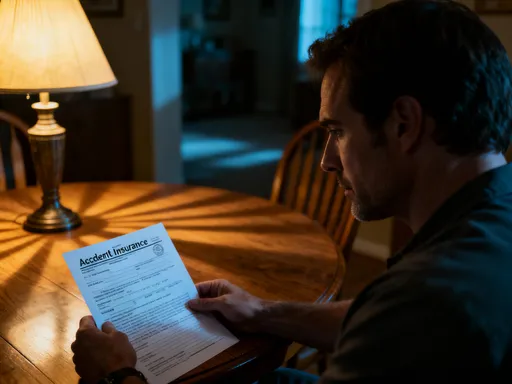
That moment marked the beginning of emotional exhaustion. I stopped checking my accounts regularly because the numbers made me feel helpless. I avoided phone calls, fearing they were from creditors. I compared myself to others who seemed to travel, upgrade homes, or post about financial wins on social media, and I felt isolated. But the turning point came not from envy, but from clarity: I could not continue like this. Denial was no longer an option. I needed a new framework—not just to survive, but to reclaim agency. The first step wasn’t about money. It was about honesty. I sat down and listed every debt, every due date, every interest rate. Seeing it all in one place was painful, but it was also empowering. For the first time, I wasn’t reacting to panic. I was facing facts.
This experience is more common than many admit. Millions of households carry high-interest debt, often not because of poor character or laziness, but because of life’s unpredictability. The trap isn’t just financial—it’s psychological. The stress of debt can narrow your thinking, making long-term planning feel impossible. You focus on the next bill, the next deadline, the next crisis. But that survival mindset, while necessary in emergencies, prevents progress. It keeps you in a cycle of reaction rather than action. Breaking free starts with recognizing that debt is not a moral failure. It’s a structural challenge—one that can be managed with strategy, patience, and a shift in perspective.
From Survival Mode to Strategic Thinking
Once I had a clear picture of my financial reality, I began to shift from reacting to planning. This wasn’t about sudden wealth or a windfall. It was about changing how I made decisions. I started asking different questions. Instead of “Can I afford this?” I began asking, “What will this cost me in the long run?” A $50 online purchase wasn’t just $50. If it went on a credit card with a 24% interest rate and I only made minimum payments, it could end up costing $80 or more over time. That simple reframing changed everything. I began to see money not just as something to spend or lack, but as a resource to allocate wisely.
This shift marked the beginning of an investment mindset—even while still in debt. An investment mindset doesn’t require capital. It requires intention. It means viewing every dollar as having potential future value. It means understanding that avoiding a $30 fee today might save you from a cascade of late charges tomorrow. It means recognizing that paying an extra $20 toward a high-interest card isn’t a loss—it’s a guaranteed return, equal to the interest rate you’re avoiding. In essence, debt reduction became my first form of investing. Every dollar I put toward eliminating interest was like earning a risk-free return.
The psychological change was profound. I moved from feeling powerless to feeling in control. I stopped seeing my income as too small and started seeing my decisions as too reactive. I began to track my spending not out of guilt, but out of curiosity. I noticed patterns: recurring subscriptions I didn’t use, impulse buys during stressful days, and automatic renewals that drained my account. Each discovery became an opportunity to redirect funds. This wasn’t about deprivation. It was about alignment. I was aligning my spending with my values and my goals. And as I made progress, my confidence grew. I wasn’t just surviving. I was building something.
Rethinking Assets: What Truly Builds Wealth
One of the most important lessons I learned was redefining what an asset really is. Most people think of assets as things they own—a house, a car, a savings account. But in financial terms, an asset is anything that puts money in your pocket over time. A house can be an asset if it appreciates or generates rental income, but if it drains your budget in maintenance, taxes, and mortgage payments, it may function more like a liability. The same goes for a luxury car. It may feel like a reward, but if it loses value quickly and costs thousands in insurance and fuel, it’s not building wealth—it’s consuming it.
True wealth is built not by what you own, but by what you control and how you grow it. The most powerful assets I began to invest in were not physical. They were my time, my knowledge, and my financial literacy. I spent evenings reading books on personal finance, listening to trusted experts, and learning how compound interest works—both against me in debt and for me in savings. That knowledge became a multiplier. It helped me negotiate a lower interest rate on one of my credit cards, saving hundreds over time. It helped me understand the difference between good debt and bad debt. Good debt, like a low-interest student loan for a valuable skill, can increase earning potential. Bad debt, like high-interest credit card balances for non-essentials, only drags you down.
I also began to see my time as a currency. Every hour spent mindlessly scrolling or watching TV was an hour not spent learning, planning, or earning. I started using small pockets of time—during commutes, lunch breaks, or early mornings—to build habits that paid long-term dividends. I took an online course in budgeting. I learned how to use free tools to track my net worth. These weren’t flashy moves, but they compounded. Over months, I became more confident in my decisions. I stopped feeling like a victim of circumstance and started seeing myself as the architect of my financial future. That shift in identity was perhaps the most valuable asset of all.
Risk Control: Protecting Yourself Before You Invest
Many people think investing is about chasing returns. But the truth is, smart investing begins with risk control. Before you can grow wealth, you must protect what you have. For me, that meant addressing the biggest risk in my financial life: high-interest debt. Every dollar I owed at 20% or more was like a leak in a boat. No amount of saving or investing would help if I didn’t plug the hole first. So I made a rule: no new debt. I cut up my credit cards—not out of shame, but as a practical boundary. I switched to using cash and debit for daily spending, which helped me stay within my means.
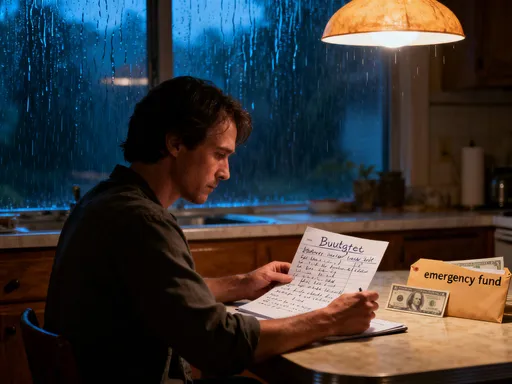
I also built a small emergency fund, even while paying off debt. This seemed counterintuitive at first. Shouldn’t every extra dollar go toward the balance? But I realized that without a buffer, any small crisis—a flat tire, a doctor’s visit—would force me back into borrowing. That cycle would erase any progress. So I started with $500. It wasn’t much, but it was enough to cover minor emergencies without using credit. I kept it in a separate, low-risk savings account, untouched unless absolutely necessary. That fund became my financial safety net, reducing stress and giving me breathing room.
At the same time, I prioritized my debts strategically. I used the avalanche method, focusing on the card with the highest interest rate first while making minimum payments on the others. This approach saved me the most money on interest over time. I also reached out to creditors to negotiate better terms. Many are willing to offer hardship programs, lower rates, or extended payment plans if you ask. I wasn’t entitled to these options, but I was eligible—and asking cost nothing. Each small win built momentum. I wasn’t just reducing debt. I was reducing risk. And with each payment, I was laying the foundation for future investing.
The Power of Small, Consistent Moves
One of the biggest myths about financial success is that it requires dramatic action. In reality, lasting change comes from small, consistent habits. I didn’t get out of debt by making one big sacrifice. I did it by making dozens of tiny choices every week. I started automating my payments so I never missed a due date. I set up alerts for when my bank balance dipped below a certain level. I reviewed my spending weekly, not to punish myself, but to stay aware. These routines removed emotion from decision-making and created structure.
I also found ways to redirect small surpluses. When I received a tax refund, I put 80% toward debt and saved 20%. When I canceled a subscription I didn’t use, I sent that $12 straight to my highest-interest card. When I cooked at home instead of ordering takeout, I mentally credited that $15 to my progress. These amounts seemed trivial at first, but over time, they added up. More importantly, they built discipline. Each small win reinforced the belief that I was in control. I wasn’t waiting for a miracle. I was creating results through action.
Tracking my progress was crucial. I used a simple spreadsheet to monitor my total debt, monthly payments, and interest paid. Watching the numbers go down was motivating. I celebrated milestones—not with spending, but with reflection. When I paid off my first card, I took a walk and thought about how far I’d come. That moment of recognition strengthened my commitment. I realized that financial health isn’t about perfection. It’s about persistence. It’s about showing up, even when the progress feels slow. And over time, those small moves created a powerful compounding effect—not just in money saved, but in confidence gained.
Investing Without Money: Mindset as Your First Asset
One of the most liberating realizations was that I didn’t need money to start investing. I already had the most important ingredient: my mindset. Financial transformation begins not with a bank account, but with a belief system. I had to unlearn the idea that money was scarce, that I was bad with it, or that wealth was only for others. Instead, I adopted a growth mindset—the belief that financial skills can be learned, improved, and mastered over time.
I began to reframe failure. A missed budget goal wasn’t a sign that I had failed. It was feedback. It told me where my plan needed adjustment. I started pausing before purchases, asking not just “Do I want this?” but “What am I giving up to have it?” That simple question introduced the concept of opportunity cost. Every dollar spent is a dollar not saved, invested, or used for something else. I also practiced delayed gratification. When I wanted something, I waited 48 hours. Most of the time, the urge passed. When it didn’t, I evaluated it more carefully. These mental habits were invisible, but they shaped my financial reality more than any single transaction.
I also stopped comparing myself to others. Social media often shows highlight reels, not the full story. I focused on my own progress, my own goals, my own timeline. I celebrated paying off $1,000 in debt as much as someone else might celebrate a vacation. That shift in values was essential. I was no longer measuring success by appearances, but by stability, freedom, and peace of mind. My mindset became my greatest asset—one that no market crash could erase, no debt could diminish. It was portable, durable, and always within my control.
Building a Sustainable Financial Future
Today, I am not debt-free, but I am in control. The difference is profound. I no longer feel trapped. I have a plan, a buffer, and the confidence to make decisions aligned with my long-term goals. What started as a crisis became a foundation. The habits I built during my debt journey didn’t disappear when the balances shrank. They evolved. Now, I’m beginning to invest—not in risky schemes, but in low-cost index funds, retirement accounts, and continued education. I’m saving for a home, not because it’s a status symbol, but because it fits my life and values.
Financial freedom, I’ve learned, is not about having a certain amount of money. It’s about having choices. It’s about being able to say no to things that don’t serve you and yes to things that do. It’s about sleeping soundly, knowing you have a plan. It’s about resilience—the ability to handle life’s surprises without falling apart. That resilience didn’t come from luck. It came from practice, patience, and a commitment to progress over perfection.
The lessons from my debt crisis continue to guide me. I now see money as a tool for building the life I want, not just surviving the one I have. I teach my children about budgeting and saving, not through lectures, but through example. I share my story not to boast, but to offer hope. If I could turn my financial life around, so can others. It doesn’t require genius or luck. It requires honesty, consistency, and the willingness to change your mindset. That shift—from fear to strategy, from scarcity to intention—is where real wealth begins. And it’s available to anyone, at any starting point, who is ready to begin.