How Acupuncture and Massage Changed My Daily Health Routine
Living with chronic tension and fatigue used to be my normal—until I gave acupuncture and massage a real shot. What started as a last resort became a game-changer in managing my day-to-day well-being. I’m not saying it cured me, but the relief was real, noticeable, and sustainable. This is how these ancient practices quietly reshaped my approach to long-term health, one session at a time.
The Breaking Point: When Daily Discomfort Became Unbearable
For years, persistent physical discomfort was something I simply accepted. It started subtly—tight shoulders after long days of household chores, an ache in the lower back that flared up when lifting groceries, or waking up unrefreshed no matter how early I went to bed. At first, I dismissed these as normal signs of aging or the natural cost of caring for a home and family. But over time, the symptoms grew harder to ignore. The fatigue deepened, making it difficult to keep up with daily responsibilities. Simple tasks like folding laundry or walking up the stairs left me drained. Sleep, once a reliable refuge, became restless and fragmented.
What troubled me most wasn’t just the physical strain, but how it seeped into my emotional well-being. I became more irritable, less patient with loved ones, and increasingly withdrawn. I stopped enjoying activities that used to bring me joy, like gardening or meeting friends for coffee. The constant low-grade pain and exhaustion created a mental fog that made decision-making harder and left me feeling disconnected from myself. I realized I was no longer living fully—I was just getting through the days.
Over-the-counter pain relievers offered brief relief, but the effects never lasted. I tried stretching and over-the-counter creams, but nothing addressed the root of the problem. Doctors prescribed rest and mild exercise, which helped slightly, but the underlying tension remained. It wasn’t until a close friend shared her own experience with integrative therapies that I began to consider alternatives. She spoke not of miracle cures, but of gradual, meaningful improvements in her energy and comfort. That conversation planted a seed—one I was finally ready to nurture.
First Encounter: Stepping Into the World of Acupuncture
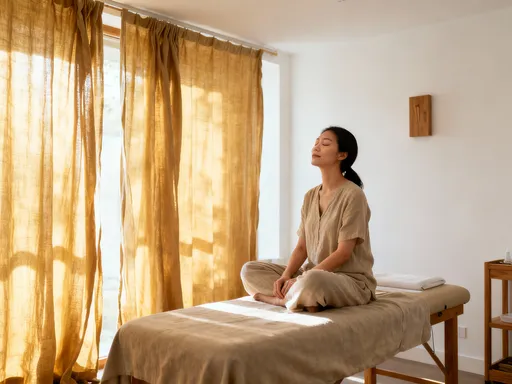
Walking into the acupuncture clinic for the first time, I felt a mix of curiosity and hesitation. The room was calm, with soft lighting and gentle instrumental music playing in the background. The practitioner greeted me warmly, took time to review my health history, and explained the process in clear, reassuring terms. I had imagined needles as sharp and painful, but what I saw were thin, flexible filaments—about the thickness of a strand of hair. The idea of being ‘poked’ still made me nervous, but the practitioner emphasized that discomfort was minimal and that my comfort was their priority.
During the session, I lay on a padded table while the practitioner inserted the needles at specific points along my arms, legs, back, and shoulders. I felt a slight tingling or warmth at some sites, but no sharp pain. As the minutes passed, a deep sense of relaxation settled over me. My breathing slowed, and the constant hum of tension in my shoulders began to soften. After about thirty minutes, the needles were gently removed. I stood up slowly, surprised by how light I felt—not energized in a jolting way, but as if a weight had been lifted from my body.
What struck me most was how acupuncture seemed to affect more than just my muscles. That evening, I slept more soundly than I had in months. The next day, my mood felt more balanced, and the usual mid-afternoon slump didn’t hit as hard. I didn’t expect such subtle changes from a single session, but they were undeniable. From a physiological standpoint, acupuncture is believed to stimulate the nervous system, encouraging the release of natural pain-relieving chemicals and improving blood circulation. It doesn’t ‘fix’ anything in a mechanical sense, but rather helps the body return to a state of balance, allowing its own healing mechanisms to work more efficiently.
Discovering the Rhythm: Building a Consistent Acupuncture Routine
The real transformation didn’t happen after one visit—it came from consistency. At first, I went once a week. There were no dramatic breakthroughs, but over the course of several weeks, small improvements began to accumulate. My sleep became more regular. The tension headaches that used to plague me twice a week became rare. I noticed I wasn’t reaching for the heating pad as often. These changes weren’t flashy, but they were meaningful. I started to feel like myself again—not perfect, but present and capable.
Frequency mattered. Skipping a session often meant a return of old symptoms, a reminder that healing isn’t linear. But with regular care, my body seemed to ‘remember’ how to relax. The practitioner adjusted the points and techniques based on how I felt each week, tailoring the treatment to my evolving needs. This personalized approach made a difference. It wasn’t a one-size-fits-all solution, but a responsive, adaptive process.
Finding the right practitioner was crucial. I made sure to choose someone licensed and experienced, with positive reviews from other patients. Open communication was key—I shared my goals, my concerns, and any changes in my symptoms. This partnership allowed the treatments to be more effective. Over time, we shifted from weekly to biweekly and eventually monthly sessions as my condition stabilized. The goal wasn’t dependency, but sustainability—a rhythm that supported long-term well-being without becoming a burden.
The Power of Touch: How Therapeutic Massage Complements Healing
While acupuncture helped regulate my nervous system, I realized I also needed direct relief for the physical knots and stiffness in my muscles. That’s when I began incorporating therapeutic massage into my routine. This wasn’t about luxury spa treatments, though those have their place. This was medical-grade care focused on rehabilitation. The therapist assessed my posture, movement patterns, and areas of chronic tension, then used targeted techniques to release deep muscle tightness.
One of the most effective approaches involved sustained pressure on dense areas of connective tissue, helping to ease restrictions that had built up over years of repetitive strain. Another technique used slow, deliberate strokes to improve circulation and reduce inflammation in overworked muscles. These sessions often left me feeling looser, with greater range of motion and less stiffness the following day. I noticed that when I had a massage between acupuncture appointments, the benefits of both therapies seemed to last longer.
The physical release also had emotional benefits. There’s something deeply grounding about being touched with intention and care. It reminded me that my body wasn’t just a machine to be managed, but a living system that responded to kindness and attention. The therapist never rushed, always checked in on my comfort level, and adjusted pressure as needed. Over time, these sessions became a sanctuary—a space where I could truly let go, both physically and mentally.
Why It Works: The Science Behind the Relief
It’s one thing to feel better, but understanding why these therapies work adds confidence and credibility. Research shows that acupuncture can influence the body’s pain modulation systems, reducing the perception of discomfort by stimulating the release of endorphins and other neurotransmitters. It also appears to reduce levels of cortisol, the stress hormone, which plays a role in inflammation and muscle tension. By calming the nervous system, acupuncture helps shift the body from a state of constant alertness—‘fight or flight’—to one of rest and repair.
Massage therapy, meanwhile, has been shown to improve blood flow, reduce muscle stiffness, and support lymphatic drainage, which helps remove metabolic waste from tissues. Studies have found that regular massage can lower blood pressure, improve sleep quality, and reduce symptoms of anxiety and depression. When used together, these therapies create a synergistic effect. Acupuncture addresses internal regulation, while massage works on the physical structure, making them a powerful combination for managing chronic discomfort.
It’s important to note that these are not standalone cures. They don’t replace medical treatment for serious conditions, nor do they work the same way for everyone. However, a growing body of evidence supports their role as effective complementary therapies—especially for stress-related conditions, musculoskeletal pain, and fatigue. Major health organizations recognize their value when administered by trained professionals. The key is integration: using them as part of a broader, informed approach to health that includes medical guidance, nutrition, and lifestyle choices.
Making It Practical: Fitting Treatments Into Real Life
One of the biggest concerns I had was how to sustain these therapies without overwhelming my schedule or budget. I quickly learned that perfection wasn’t the goal—consistency and intention were. I started by scheduling sessions during times when I could also run errands or enjoy a quiet moment afterward, turning the visit into a full self-care block. I looked into whether my insurance covered acupuncture or massage for medical purposes and discovered partial coverage was available, which helped reduce out-of-pocket costs.
For times when professional sessions weren’t feasible, I incorporated simple practices at home. Gentle stretching, especially after long periods of sitting, helped maintain flexibility. I began using a foam roller for minor muscle tightness, focusing on areas like the upper back and thighs. Mindful breathing exercises—inhaling slowly through the nose, exhaling fully through the mouth—became a daily habit, particularly during stressful moments. These small habits didn’t replace professional care, but they extended the benefits between sessions.
I also learned to listen to my body. There were weeks when I felt great and could go longer between appointments. Other times, stress or physical strain signaled that it was time to schedule a session. Being flexible and responsive, rather than rigid, made the routine more sustainable. Community clinics and wellness programs sometimes offer sliding-scale fees, making these therapies more accessible. The goal wasn’t to achieve an idealized version of wellness, but to build a realistic, adaptable routine that supported my long-term health.
A New Normal: Rethinking Health Through Gentle Healing
Today, my relationship with health has fundamentally changed. I no longer chase quick fixes or expect instant results. Instead, I value the slow, steady process of listening to my body and responding with care. Acupuncture and massage haven’t erased all my challenges, but they’ve given me tools to manage them with greater ease and resilience. I move through my days with more energy, less pain, and a deeper sense of balance.
This journey taught me that healing isn’t always about dramatic interventions. Sometimes, it’s the quiet, consistent acts of self-kindness that make the biggest difference. These therapies aren’t magic—they’re allies. They work best when combined with medical advice, healthy habits, and a commitment to self-awareness. I continue to consult my primary care provider and use these practices as part of a comprehensive plan, not a replacement for professional diagnosis or treatment.
For anyone feeling stuck in a cycle of chronic discomfort, I offer this: consider giving integrative therapies a chance, not as a last resort, but as a thoughtful addition to your wellness strategy. Start small. Be patient. Pay attention to how your body responds. Healing is not a race, but a journey—one that deserves compassion, consistency, and the courage to try something new. In embracing these gentle, time-tested practices, I didn’t just find relief. I found a deeper connection to my own well-being, and that has made all the difference.