How I Fixed My Fatty Liver and Repaired My Body — Real Changes, No Hype
Fatty liver isn’t just a diagnosis—it’s a wake-up call. I ignored mine until fatigue and scan results hit hard. What I discovered wasn’t a quick fix, but a deep shift in how I eat, move, and live. This is my real journey of body repair through smart, sustainable choices. No magic pills, just proven lifestyle changes that actually work. Always consult your doctor—but this is what changed everything for me. It wasn’t about crash diets or extreme workouts. It was about understanding what my body truly needed and making consistent, informed decisions. The liver, often overlooked, is central to energy, detoxification, and metabolic balance. When it’s struggling, everything slows down. This is the story of how I gave mine the support it deserved—and how you can too.
The Moment I Knew Something Was Wrong
It started with a routine blood test during an annual physical. I had no symptoms, no pain, no obvious warning signs. I wasn’t overweight, and I didn’t drink alcohol heavily. So when my doctor called to say my liver enzymes were elevated, I was stunned. She recommended an ultrasound, and the results confirmed it: I had non-alcoholic fatty liver disease (NAFLD). The words felt surreal. How could this happen to someone who considered themselves relatively healthy? At first, I felt denial. Maybe the test was wrong. Maybe it was temporary. But as I looked deeper, I realized this wasn’t an anomaly—it was a signal.
NAFLD, or non-alcoholic fatty liver disease, is more common than most people realize. It occurs when excess fat builds up in the liver, not due to alcohol but because of metabolic imbalances. It’s often called a ‘silent’ condition because it can progress for years without symptoms. Yet, left unaddressed, it can lead to inflammation, fibrosis, and even liver failure. What shocked me most was learning that NAFLD affects up to 25% of adults globally, according to the World Gastroenterology Organisation. It’s not just a problem for people with obesity—it’s a metabolic issue that can affect anyone, even those with a normal BMI.
My emotional journey was messy. Confusion gave way to fear, and fear to determination. I didn’t want to wait until my liver was damaged beyond repair. I decided to take control. I began researching, consulting specialists, and asking questions. What I learned reshaped my understanding of health. Fatty liver wasn’t just a liver problem—it was a whole-body issue rooted in insulin resistance, poor diet, and lifestyle habits. The diagnosis wasn’t a life sentence; it was an invitation to make real, lasting changes. And so, my journey of body repair began.
What Fatty Liver Really Means for Your Body
The liver is one of the most resilient and vital organs in the human body. Often described as the body’s chemical processing plant, it performs over 500 essential functions, from filtering toxins to regulating blood sugar and producing bile for digestion. When fat accumulates in liver cells—typically more than 5% of the organ’s weight—it begins to interfere with these critical processes. This condition, known as hepatic steatosis, marks the beginning of fatty liver disease. But what does that actually mean for your daily life and long-term health?
Fat builds up in the liver primarily due to insulin resistance, a condition where the body’s cells don’t respond effectively to insulin. As a result, excess glucose remains in the bloodstream, and the liver converts it into fat. Over time, this leads to fat storage within liver tissue. Diets high in refined carbohydrates and added sugars—especially fructose—exacerbate this process. The liver metabolizes fructose differently than other sugars, placing a unique burden on its cells. This metabolic overload triggers inflammation, oxidative stress, and eventually, liver cell damage.
The ripple effects go far beyond the liver itself. When the liver isn’t functioning optimally, energy levels drop, digestion becomes sluggish, and the body’s ability to detoxify is compromised. Many people with fatty liver report persistent fatigue, brain fog, and bloating—symptoms that are often dismissed as stress or aging. But they can be early signs of metabolic dysfunction. More concerning is the progression from simple fatty liver (steatosis) to non-alcoholic steatohepatitis (NASH), where inflammation and liver cell injury occur. NASH can lead to fibrosis, cirrhosis, and in severe cases, the need for a liver transplant.
What’s clear is that liver health is inseparable from overall wellness. Repairing the liver isn’t just about preventing disease—it’s about restoring vitality. When the liver works efficiently, energy improves, mental clarity returns, and the body regains its natural balance. That’s why body repair starts with liver support. By addressing the root causes—insulin resistance, poor diet, and sedentary habits—we don’t just heal the liver; we upgrade our entire metabolic system.
My First Steps: Cutting the Offenders
Once I understood the role of diet in liver fat accumulation, I knew I had to make changes. The first and most impactful step was eliminating added sugars and refined carbohydrates. These are the primary drivers of insulin resistance and liver fat storage. I started by cutting out soda, even the ‘diet’ versions, which often contain artificial sweeteners that can still disrupt metabolic health. I also gave up pastries, white bread, and sugary cereals—foods I once considered harmless indulgences.
But the real eye-opener was discovering how many so-called ‘healthy’ foods were actually sabotaging my progress. Flavored yogurts, for example, can contain as much sugar as a dessert. Granola bars, marketed as nutritious snacks, are often loaded with honey, syrups, and refined grains. Even some breakfast smoothies from popular cafes were packed with hidden sugars. I began reading labels meticulously, looking not just at sugar content but at the ingredient list. If a product had more than five ingredients or included words I couldn’t pronounce, I avoided it.
I also reduced my intake of processed vegetable oils, such as soybean, corn, and sunflower oil. These oils are high in omega-6 fatty acids, which, in excess, can promote inflammation—a key factor in liver damage. Instead, I switched to more stable, anti-inflammatory fats like extra virgin olive oil, avocado oil, and small amounts of coconut oil. I used olive oil for salads and low-heat cooking, and I started cooking more at home to control exactly what went into my meals.
To track my progress, I kept a simple food and energy journal. Every day, I wrote down what I ate and how I felt—especially my energy levels, digestion, and mental clarity. Within weeks, patterns emerged. I noticed that days with high sugar or refined carbs left me sluggish by mid-afternoon. On days with whole foods and balanced meals, I had steady energy and better focus. This journal became a powerful tool, helping me identify hidden triggers and stay accountable. It wasn’t about perfection—it was about awareness and gradual improvement.
Food That Fuels Repair: What I Actually Eat Now
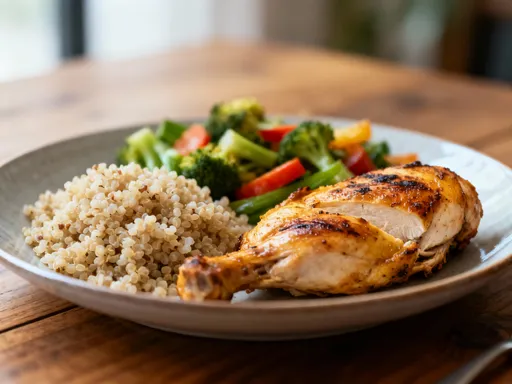
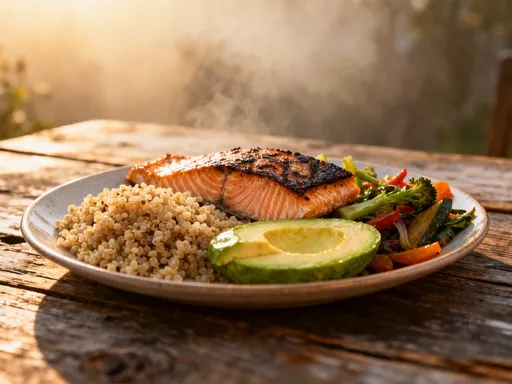
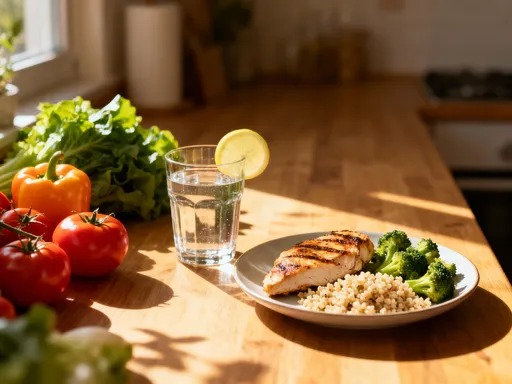
Dietary change wasn’t about restriction—it was about replacement. I shifted from thinking about what I couldn’t eat to focusing on what I could add. My new eating pattern centered on whole, nutrient-dense foods that support liver repair and metabolic health. Vegetables became the foundation of every meal. I aimed for a variety of colors and types, especially leafy greens, broccoli, Brussels sprouts, and bell peppers. These are rich in fiber, antioxidants, and compounds like sulforaphane, which support liver detoxification pathways.
Fiber is crucial for liver health because it helps regulate blood sugar and supports a healthy gut microbiome. I increased my intake of legumes—lentils, chickpeas, and black beans—as well as whole grains like oats, quinoa, and brown rice. These provide sustained energy without the blood sugar spikes that contribute to fat storage. Berries, particularly blueberries and strawberries, became my go-to fruit. They’re low in sugar and high in polyphenols, which have been shown to reduce liver fat in clinical studies.
Protein also played a key role. I made sure to include high-quality protein at every meal—eggs, fatty fish like salmon, skinless poultry, and plant-based sources like tofu and tempeh. Protein helps maintain muscle mass, supports satiety, and stabilizes blood sugar. I avoided processed meats like sausages and deli meats, which are linked to increased inflammation and liver damage.
I also incorporated specific liver-supportive foods into my daily routine. Garlic, for example, contains allicin, a compound that has been shown to reduce fat accumulation in the liver. Green tea is rich in catechins, antioxidants that improve liver enzyme levels and reduce fat. I enjoyed a cup each morning. Nuts, especially walnuts and almonds, provide healthy fats and arginine, an amino acid that supports liver detoxification. Cruciferous vegetables like kale and cauliflower contain glucosinolates, which help the liver neutralize toxins. Finally, I adopted a simple eating window, finishing my last meal by early evening. This form of time-restricted eating gave my liver a longer rest period each night, which research suggests can reduce liver fat over time.
Movement as Medicine: Not Just for Weight Loss
Physical activity was another pillar of my recovery. I didn’t start with intense workouts—I began with daily walks. Just 20 to 30 minutes a day made a difference. Walking after meals, especially, helped regulate my blood sugar and improved digestion. As my energy improved, I added resistance training twice a week. Using light weights and bodyweight exercises, I focused on building strength and improving muscle mass. Muscle is metabolically active tissue—it burns more calories at rest and improves insulin sensitivity, which directly benefits the liver.
One of the most important lessons I learned is that exercise helps the liver even if you don’t lose weight. Studies show that physical activity reduces liver fat independently of weight loss. This was encouraging, especially in the early months when the scale didn’t move much. What mattered more was how I felt—stronger, more alert, and more resilient. Exercise also reduced my stress levels, which in turn lowered cortisol, a hormone that can worsen insulin resistance and fat storage.
Beyond structured workouts, I focused on increasing my non-exercise activity thermogenesis (NEAT)—the calories burned through everyday movement. I stood more, took the stairs, paced while on phone calls, and did light stretching throughout the day. These small movements add up and play a significant role in metabolic health. I started tracking my steps with a simple pedometer, aiming for 7,000 to 10,000 steps daily. It wasn’t about hitting a perfect number—it was about building a habit of consistent movement.
Consistency was key. I avoided burnout by setting realistic goals and listening to my body. Some days, a short walk was enough. Other days, I had the energy for a longer session. I celebrated progress, not perfection. Over time, movement became less of a chore and more of a daily ritual—a way to care for my body and support my liver’s healing process.
Sleep, Stress, and the Hidden Triggers
As I progressed, I realized that healing wasn’t just about food and exercise. Sleep and stress were equally important. Poor sleep disrupts hormonal balance, increasing cortisol and insulin levels—both of which promote fat storage in the liver. I used to stay up late, scrolling on my phone or working, and wake up feeling groggy. I decided to prioritize sleep by setting a consistent bedtime, creating a calming evening routine, and keeping screens out of the bedroom. Within weeks, my energy improved, and I noticed better mental clarity during the day.
Chronic stress was another hidden trigger. When I was under constant pressure, I craved sugary, high-carb foods—my body’s way of seeking quick energy. I learned to manage stress through simple, effective habits. Deep breathing exercises, even just five minutes a day, helped calm my nervous system. I also made time for walks in nature, which research shows can lower cortisol and improve mood. Setting boundaries with work and personal commitments allowed me to recharge and avoid burnout.
The connection between mental load and metabolic health became clearer over time. When my mind was overwhelmed, my body followed. By reducing mental clutter and creating space for rest, I supported my liver’s ability to repair itself. I also limited screen time, especially in the evening, to improve sleep quality. These changes weren’t dramatic, but they were powerful. Healing wasn’t just physical—it was holistic, involving mind, body, and daily rhythms.
Tracking Progress and Staying on Course
After six months of consistent changes, I returned to my doctor for follow-up tests. My liver enzymes had normalized, and a repeat ultrasound showed a significant reduction in liver fat. These medical markers were encouraging, but the real proof was in how I felt every day. My energy was steady, my digestion improved, and I no longer experienced the afternoon crashes that used to derail my productivity. I slept better, thought more clearly, and felt more in control of my health.
I continued to track my progress, not just through tests but through daily feedback. I paid attention to my mood, focus, and physical comfort. When I slipped up—like eating too much at a holiday meal—I didn’t respond with guilt. Instead, I viewed setbacks as part of the process. I returned to my routine the next day, without judgment. This mindset shift was crucial. This wasn’t a short-term diet; it was a lifelong commitment to body repair.
I also stayed in touch with my healthcare provider, who supported my efforts and monitored my progress. Professional guidance was essential—not just for medical oversight, but for motivation and accountability. I learned that sustainable change doesn’t happen in isolation. It thrives on support, knowledge, and regular check-ins.
Final Thoughts: A Healthier Liver, A Stronger Me
Looking back, my fatty liver diagnosis was one of the best things that ever happened to me. It forced me to slow down, listen to my body, and make meaningful changes. The transformation wasn’t just about lower liver enzymes or reduced fat—it was about reclaiming my vitality. I now move with more ease, think with greater clarity, and approach each day with a sense of purpose.
Fatty liver is more than a medical condition; it’s a signal. It tells us that our metabolism is out of balance and that our lifestyle choices are taking a toll. But it’s also a wake-up call we can respond to—with knowledge, action, and self-compassion. The steps I took weren’t extreme or complicated. They were simple, sustainable, and rooted in science. Eating whole foods, moving regularly, sleeping well, and managing stress—these are the foundations of true health.
If you’re facing a similar diagnosis, know that you’re not alone. Small, consistent changes add up over time. Start where you are. Focus on one habit at a time. Seek guidance from a trusted healthcare provider. And remember, healing is not a race. It’s a journey of listening, learning, and living with greater awareness. Your liver is resilient. With the right support, it can repair itself. And in the process, you may just discover a stronger, healthier version of yourself.