How Dance Sports Transformed My Fitness — A Real Guide to Health That Moves
For years, I thought fitness meant grinding at the gym, counting reps, and dreading every minute. Then I tried dance sports — and everything changed. It wasn’t just fun; it reshaped my stamina, strength, and mindset. This isn’t about perfect form or extreme workouts. It’s about moving with purpose, rhythm, and joy. If you’ve ever felt stuck in a fitness rut, this real-life guide shows how dance sports meet true health standards — naturally, sustainably, and effectively.
The Hidden Problem with Traditional Workouts
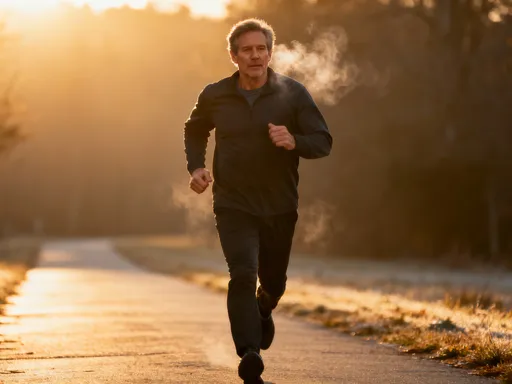
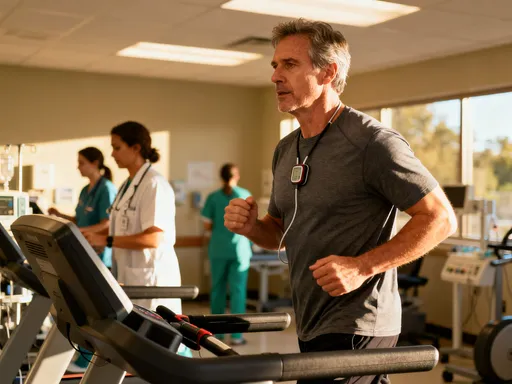
Many people begin fitness journeys with high hopes, only to lose motivation within weeks. The reason is not a lack of discipline, but a mismatch between conventional exercise and human nature. Hour after hour on the treadmill, lifting weights in silence, or repeating the same routines can feel isolating and monotonous. Over time, this emotional disconnect turns physical activity into an obligation rather than a source of energy. Research in behavioral science consistently shows that enjoyment is one of the strongest predictors of long-term adherence to exercise. When people enjoy what they do, they are far more likely to stick with it — not out of willpower, but because it feels rewarding.
Traditional workouts often emphasize intensity over sustainability. People are encouraged to push through pain, burn calories, and achieve rapid results. While these goals may produce short-term changes, they frequently lead to burnout, injury, or disengagement. The body adapts to stress, but the mind resists repetition without meaning. This creates a cycle where effort feels wasted, progress stalls, and motivation fades. The result? Millions abandon fitness not because they failed, but because the system failed them. Movement should not feel like punishment. It should feel like participation in life.
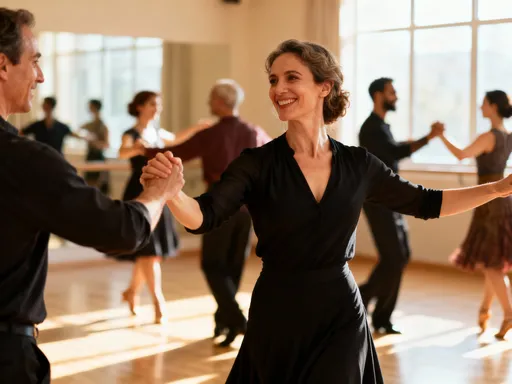
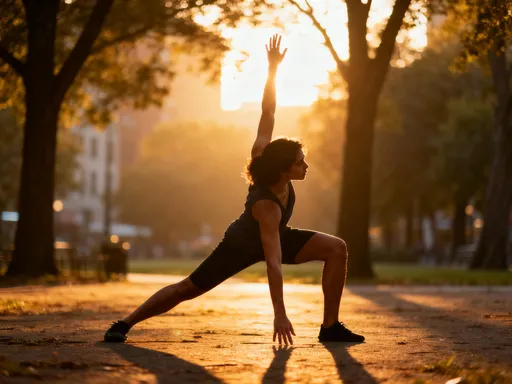
Dance sports offer a different path — one that aligns physical effort with emotional fulfillment. Unlike rigid gym routines, dance invites expression, connection, and rhythm. It transforms exercise from a mechanical process into a dynamic experience. Instead of counting minutes until the workout ends, participants become absorbed in music, coordination, and interaction. This mental shift is powerful: when movement becomes enjoyable, consistency follows naturally. The body moves not because it has to, but because it wants to. That intrinsic motivation is the foundation of lasting health.
Furthermore, dance sports address a critical gap in modern fitness culture — the neglect of psychological well-being. Exercise is often measured by calories burned or pounds lost, but true health includes mood, confidence, and social connection. Dance engages all of these. It reduces feelings of isolation, increases self-expression, and fosters community. For many adults, especially women over 30, finding spaces where they feel seen and capable is rare. Dance provides that space. It is not about looking a certain way; it is about feeling alive in your body. That emotional resonance makes the difference between giving up and showing up, week after week.
What Are Dance Sports — And Why They Count as Real Exercise
Dance sports are structured, physically demanding forms of dance that combine artistic expression with athletic performance. Unlike casual dancing at a party, dance sports follow specific techniques, patterns, and timing. Examples include ballroom, Latin, salsa, swing, hip-hop, and competitive styles like cha-cha or rumba. These forms require precise footwork, controlled movements, partner coordination, and sustained energy. They are not just artistic — they are athletic. The cardiovascular demand alone meets or exceeds the moderate-to-vigorous physical activity levels recommended by global health organizations.
From a physiological standpoint, dance sports engage multiple systems simultaneously. The heart rate elevates during routines, often reaching 60–80% of maximum capacity — the ideal range for improving cardiovascular endurance. This kind of aerobic activity strengthens the heart, improves circulation, and supports healthy blood pressure. Muscular engagement is equally significant. Dance requires continuous activation of the core, legs, glutes, and stabilizing muscles. Movements like turns, dips, and quick directional changes build strength and endurance without the need for weights or machines. Balance and agility are also enhanced, reducing the risk of falls and improving functional mobility — especially important as we age.
One of the unique advantages of dance sports is their integration of coordination and cognitive function. Unlike repetitive gym exercises, dance involves learning sequences, remembering patterns, and adapting to a partner or music. This mental engagement strengthens neural pathways, improves reaction time, and supports brain health. Studies have shown that activities combining physical movement with cognitive challenge can reduce the risk of cognitive decline in middle-aged and older adults. Dance sports naturally provide this dual benefit, making them a holistic form of exercise that supports both body and mind.
Another misconception is that only fast-paced dances qualify as real workouts. In reality, even slower styles like waltz or tango require controlled muscle engagement, posture alignment, and sustained focus. The intensity may vary, but the physiological benefits remain. The World Health Organization recommends at least 150 minutes of moderate-intensity aerobic activity per week for adults. A single 60-minute dance class can fulfill a significant portion of that requirement. When practiced regularly, dance sports meet and exceed established fitness benchmarks — not by mimicking the gym, but by offering a different, equally valid path to health.
How Dance Sports Meet Key Health Standards
True fitness is not defined by how hard you work, but by how well your body functions across key health domains. Dance sports align with four core indicators: cardiovascular health, joint mobility, metabolic function, and mental well-being. Each of these plays a vital role in long-term wellness, and dance supports them all through natural, enjoyable movement. Rather than isolating one aspect of health, dance integrates them into a single, flowing practice.
Cardiovascular resilience is perhaps the most measurable benefit. Regular participation in dance sports strengthens the heart muscle, improves oxygen delivery, and enhances circulation. Over time, this leads to lower resting heart rate, improved cholesterol profiles, and reduced risk of heart disease — one of the leading causes of death among women over 40. Because dance maintains elevated heart rate over extended periods, it functions as effective aerobic training. Unlike high-impact cardio that may strain joints, dance provides cardiovascular benefits with lower injury risk, making it ideal for long-term practice.
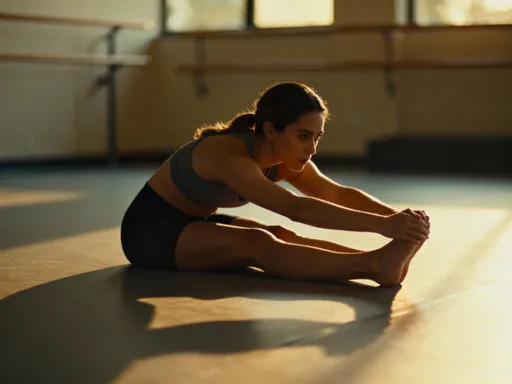
Joint mobility and musculoskeletal health are also significantly improved. Dance emphasizes full range of motion, controlled transitions, and proper alignment. Movements like pivots, bends, and extensions keep joints lubricated and muscles flexible. This is especially important for preventing stiffness and maintaining independence in daily activities. Unlike weightlifting, which can create muscle imbalances, dance promotes symmetrical development and postural awareness. Over time, participants notice improved posture, reduced back pain, and greater ease in everyday movements like walking, climbing stairs, or carrying groceries.
Metabolic function benefits from the sustained energy expenditure of dance. Regular participation helps regulate blood sugar levels, supports healthy weight management, and increases insulin sensitivity — key factors in preventing type 2 diabetes. Because dance is enjoyable, people are more likely to engage in it consistently, leading to steady metabolic improvements. Additionally, the rhythmic nature of movement may support hormonal balance, particularly in reducing cortisol, the stress hormone. Lower cortisol levels are linked to better sleep, improved digestion, and reduced abdominal fat accumulation — all critical components of metabolic health.
Mental well-being is where dance truly shines. The combination of music, movement, and social interaction creates a powerful mood-enhancing effect. Endorphins, serotonin, and dopamine are naturally released during rhythmic physical activity, leading to reduced anxiety and improved emotional resilience. Group classes provide a sense of belonging, reducing feelings of loneliness that many adults experience. For women managing busy households or caregiving responsibilities, dance offers a rare opportunity to focus on themselves — not as mothers, partners, or workers, but as individuals with joy, rhythm, and agency. This psychological renewal is not a side effect; it is a core component of health.
Breaking the Myth: “I’m Not Coordinated Enough”
One of the most common barriers to trying dance sports is the belief that you need natural talent. Many people assume coordination is something you’re born with — that some bodies simply “get it” while others don’t. This myth discourages countless adults from even attempting dance. The truth is, coordination is not an innate gift; it is a learned skill developed through repetition, patience, and practice. Every dancer, no matter how graceful they appear today, started with awkward steps and missed cues.
Movement patterns in dance are like language — they become fluent over time. The brain learns sequences through repetition, gradually building muscle memory. At first, the body may feel stiff or unresponsive, but with consistent exposure, neural pathways strengthen and movements become smoother. This process is not unique to dance; it applies to any physical skill, from driving a car to typing on a keyboard. The difference is that dance is often judged more harshly, as if perfection is expected from the start. In reality, progress in dance is measured in small victories: holding a frame correctly, completing a turn without losing balance, or simply remembering the next step.
Personal stories from adult learners consistently show rapid improvement within weeks. A woman in her 40s, taking her first salsa class, may struggle to keep time with the music. By the third week, she begins to anticipate the beat. By the sixth, she can lead or follow basic patterns with confidence. These gains are not miracles — they are the predictable result of structured learning and repetition. Instructors emphasize that effort matters more than initial ability. What looks like grace is often the product of persistence, not genetics.
Another factor that accelerates coordination is the supportive environment of group classes. Unlike solo workouts, dance provides immediate feedback — from instructors, partners, and music itself. Rhythm acts as a natural guide, helping the body find timing. Partner work builds spatial awareness and responsiveness. Over time, these elements train the body to move with greater precision and fluidity. The key is to shift focus from performance to progress. Instead of asking, “Do I look good?” the better question is, “Am I enjoying myself and improving?” When the goal becomes personal growth rather than external approval, confidence grows naturally.
Getting Started: Your First Week Without Overwhelm
Beginning a new fitness routine can feel intimidating, but starting dance sports doesn’t require special skills or equipment. The first step is choosing a style that resonates with your personality and energy level. Ballroom offers elegance and structure; salsa brings passion and rhythm; hip-hop encourages freedom and expression. Many studios offer introductory classes or trial sessions, allowing beginners to explore different styles before committing. Online platforms also provide accessible options, with guided lessons that can be done at home.
Setting realistic expectations is crucial. The first class may feel overwhelming — new steps, fast instructions, unfamiliar music. That’s normal. Instead of aiming for mastery, focus on participation. Absorb what you can, laugh at mistakes, and celebrate small successes. Most instructors welcome beginners and create inclusive environments. Wearing comfortable, supportive shoes with a smooth sole can make a big difference in movement quality and joint protection. Avoid heavy sneakers; instead, look for dance-specific footwear or flexible flats that allow easy pivoting.
Start with two to three sessions per week, each lasting 30 to 45 minutes. This frequency allows the body to adapt without overexertion. Always begin with a warm-up — gentle stretching, marching in place, or slow joint rotations — to prepare muscles and prevent injury. Stay hydrated and listen to your body. If something feels painful or strained, pause and adjust. Dance should challenge you, not harm you. After each session, take a moment to reflect: How did your body feel? Did you enjoy the music? What step did you remember? These reflections build self-awareness and reinforce motivation.
It’s also helpful to prepare mentally. Remind yourself that everyone was a beginner once. No one is judging your performance — most people are focused on their own learning. Approach the experience with curiosity rather than pressure. If you forget a sequence, follow the rhythm and keep moving. The goal is not perfection, but participation. Over time, the brain and body will sync, and the movements will begin to feel natural. The first week is not about results; it’s about starting. And that first step is the most important one.
Building a Sustainable Routine: From Once a Week to Part of Your Life
Consistency is the cornerstone of lasting fitness. The challenge is not starting — it’s continuing. Dance sports thrive on routine, but not the rigid kind. The most effective approach is to integrate dance into life in a way that feels natural and rewarding. This means shifting from outcome-based goals — like weight loss or skill mastery — to process-based goals, such as showing up, enjoying the music, or practicing a specific movement. When the focus is on the experience rather than the result, motivation becomes intrinsic.
Habit formation works best when supported by cues and rewards. Music can serve as a powerful trigger. Playing a favorite dance track at the same time each day signals the body that it’s time to move. Over time, this association strengthens the habit. Tracking progress can also boost motivation. Keeping a simple journal — noting which steps were learned, how the body felt, or moments of joy — helps reinforce commitment. Joining a dance community, whether in person or online, adds accountability and connection. Sharing experiences with others who understand the journey creates encouragement and belonging.
As confidence grows, so can the challenge. After mastering basic patterns, learners can explore more complex routines, attend workshops, or participate in social dances. These milestones provide a sense of achievement and keep the practice fresh. But even on days when energy is low, a short freestyle session — dancing freely to favorite songs — maintains continuity. The key is flexibility. Life changes; routines must adapt. Missing a class is not failure — returning is success.
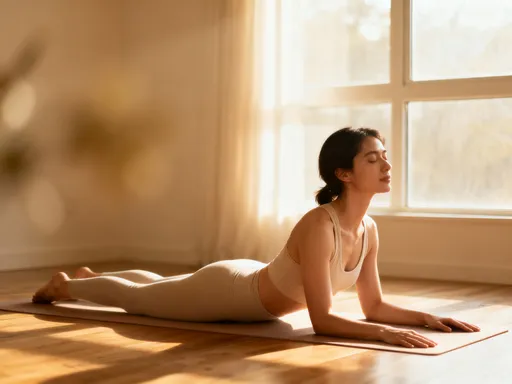
Ultimately, dance becomes more than exercise. It becomes self-care — a time to reconnect with the body, express emotions, and reclaim joy. For many women, this is revolutionary. In a world that demands constant giving, dance offers a rare space to receive: to feel strong, graceful, and present. When movement is no longer a chore but a celebration, it becomes sustainable. And sustainability is the true measure of health.
When to Seek Professional Guidance — And Why It Matters
While dance sports are accessible to most people, individual health conditions may require special consideration. Before beginning any new physical activity, it is wise to consult a healthcare provider — especially for those with joint concerns, cardiovascular conditions, chronic pain, or limited mobility. A doctor can help assess risk and recommend safe ways to participate. This is not a barrier, but a safeguard — a way to protect long-term health while pursuing fitness goals.
Working with certified dance instructors is equally important. Qualified teachers understand proper alignment, safe progression, and injury prevention. They can modify movements for different ability levels and provide personalized feedback. Avoid learning complex techniques from unverified online sources, as incorrect form may lead to strain or long-term damage. A good instructor creates a supportive, non-judgmental environment where learning happens safely and effectively.
It’s also essential to avoid self-diagnosis or pushing through pain. Discomfort may be part of building strength, but sharp or persistent pain is a signal to stop and reassess. The body communicates through sensation; listening is part of the practice. If a movement doesn’t feel right, seek guidance. Adjustments in footwear, posture, or technique can make a significant difference. Taking charge of your health means being proactive — not reckless. With professional support, dance sports can be adapted for nearly every body and ability level, ensuring that the journey is not only enjoyable but safe.
Conclusion
Dance sports offer more than steps and rhythms — they offer a healthier, more joyful way to move through life. By aligning with core health standards and fitting naturally into daily routines, they transform fitness from a chore into a celebration. The real win isn’t just better endurance or flexibility; it’s rediscovering the pleasure of movement. And that, more than any number on a scale, defines lasting wellness. Whether you’re stepping into a studio for the first time or rediscovering joy in motion, dance welcomes you — not for how you look, but for how you feel. In every beat, every turn, every shared smile, there is health. Real health. Sustainable health. The kind that moves with you, for life.