How I Tamed My Salt Cravings and Found a Balanced Way to Stay Healthy
We all love that savory kick—chips, soy sauce, instant noodles. But too much salt quietly strains our bodies, especially our blood pressure and heart. I didn’t realize how much I relied on salt until I tried cutting back. What started as a small change became a full shift in how I eat and feel. This isn’t about extreme diets—it’s about smart, sustainable choices that support long-term health. Let me walk you through what actually worked.
The Hidden Problem with Everyday Salt
High sodium intake is one of the most common yet overlooked contributors to long-term health challenges. According to major health organizations like the World Health Organization and the American Heart Association, most adults consume far more sodium than the recommended daily limit of 2,300 milligrams—often exceeding 3,400 milligrams per day. This excess places consistent pressure on the cardiovascular system, increasing the risk of developing high blood pressure, a leading factor in heart disease and stroke. The danger lies not in occasional salty meals, but in the steady accumulation of sodium across daily eating habits.
What makes sodium so tricky is how hidden it can be. While table salt is obvious, a significant portion of daily sodium comes from processed and packaged foods. Bread, canned soups, frozen meals, deli meats, and even sweet breakfast cereals often contain surprisingly high levels of added salt. Restaurant dishes, especially fast food and takeout, are frequently loaded with sodium to enhance flavor and extend shelf life. A single serving of instant noodles or a sandwich from a café can contain more than half of the recommended daily intake. These sources add up quickly, often without a person ever reaching for the salt shaker.
It’s important to distinguish between naturally occurring sodium and added sodium. Foods like milk, celery, and shellfish contain small amounts of sodium as part of their natural composition. This form is not a concern and is part of a balanced diet. The real issue is the sodium added during food processing or cooking. Becoming aware of this difference helps shift the focus from fear to empowerment. The goal isn’t to eliminate sodium completely—our bodies need a small amount to function—but to reduce unnecessary, excessive intake. By understanding where sodium hides, individuals can make informed choices that support long-term wellness without feeling deprived.
Why Reducing Salt Isn’t Just for “At-Risk” People
Many believe that lowering salt intake is only necessary for those already diagnosed with high blood pressure or heart conditions. However, the benefits of a lower-sodium diet extend to everyone, regardless of current health status. High sodium consumption affects blood vessel elasticity and fluid balance over time, even in individuals who feel perfectly healthy. Preventive care is key, and adjusting eating habits early can reduce the likelihood of developing chronic conditions later in life. Think of it as routine maintenance for the body—just as we service our cars to avoid breakdowns, we can care for our internal systems through mindful eating.
One of the most encouraging aspects of reducing salt is how quickly the body can adapt. Taste buds are highly responsive and can recalibrate within just a few weeks of consistent lower-sodium eating. Initially, food may seem bland, but over time, the sensitivity to natural flavors increases. Subtle tastes in vegetables, herbs, and whole grains become more pronounced. This shift allows people to enjoy food more fully, not less. The brain’s craving for salt diminishes as it adjusts to new norms, making healthier choices feel natural rather than restrictive.
There are also widespread misconceptions about salt types that need clarification. Many assume that sea salt, Himalayan pink salt, or kosher salt are significantly healthier than regular table salt. While these varieties may contain trace minerals, their sodium content is nearly identical. A teaspoon of sea salt has about the same amount of sodium as a teaspoon of table salt. The color or origin does not change its physiological impact. The key is not the type of salt but the total amount consumed. Focusing on overall intake, rather than switching brands, leads to more meaningful health improvements. Education, not substitution, is the real path forward.
My First Try: What Actually Happened When I Cut Back
When I first decided to reduce my salt intake, I expected quick results. I cleared my pantry of chips, switched to low-sodium soy sauce, and avoided adding salt while cooking. Within days, I noticed changes—but not all of them were pleasant. The biggest challenge was the persistent craving for that salty punch. My body seemed to demand it, especially in the afternoons. I found myself drawn to snacks I used to eat mindlessly, now feeling almost irresistible. There was also a sense of fatigue, as if my energy had dipped. At first, I questioned whether this was worth it.
But around the second week, something shifted. The cravings began to fade. I started paying closer attention to the ingredients I was using and experimenting with new seasonings. I discovered that lemon juice could brighten a dish just as effectively as salt, and that garlic and black pepper added depth without the sodium load. I began roasting vegetables instead of boiling them, which brought out their natural sweetness. These small changes made meals more interesting, not less flavorful. I also noticed that my clothes fit a bit looser and that I felt less bloated—likely due to reduced water retention from lower sodium levels.
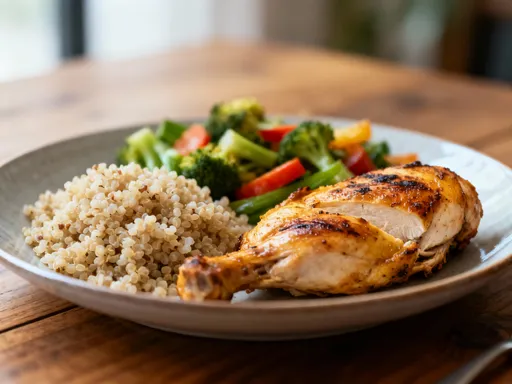
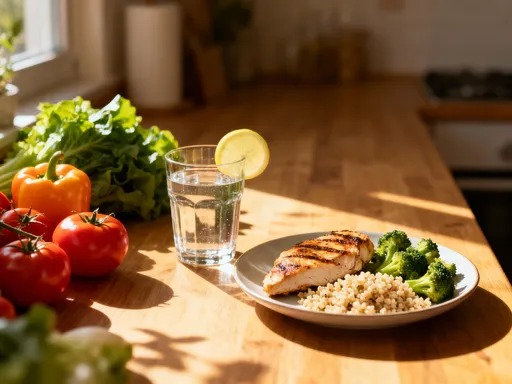
The turning point came when I prepared a simple meal of grilled chicken, quinoa, and steamed broccoli using only herbs and olive oil. I didn’t miss the salt at all. In fact, the food tasted fresher, more vibrant. That moment of realization—that I could enjoy eating without relying on salt—was powerful. It wasn’t about perfection. There were still days when I ate out or had a salty snack, but the overall pattern had changed. I learned that consistency matters more than occasional slip-ups. Patience and persistence, not rigid rules, were the keys to lasting change.
Rebuilding Flavor Without the Salt
Once I accepted that flavor didn’t have to come from salt, I began exploring other ways to enhance my meals. The kitchen became a place of creativity rather than restriction. I started using more citrus—lemon, lime, and orange zest—to add brightness to dishes. A splash of vinegar, such as apple cider or balsamic, brought tang and complexity to salads and cooked vegetables. These acidic elements don’t just replace salt; they transform the entire flavor profile, making food more dynamic and satisfying.
Garlic, onions, and shallots became staples in my cooking. When sautéed slowly, they develop a natural sweetness and depth that form a strong foundation for soups, stews, and stir-fries. Dried and fresh herbs like thyme, rosemary, basil, and cilantro added layers of aroma and taste. I also began using spices more intentionally—cumin, paprika, turmeric, and coriander not only added flavor but also brought color and potential health benefits. I discovered that warming spices like cinnamon and nutmeg could even enhance the perception of sweetness in savory dishes, reducing the need for added sugar as well.
Umami-rich ingredients became my secret weapon. Foods like mushrooms, tomatoes, roasted peppers, and nutritional yeast provide a deep, savory quality that mimics the satisfaction salt once delivered. A bowl of soup made with tomato paste and sautéed mushrooms felt rich and fulfilling, even without added sodium. I also learned the value of layering flavors during cooking—adding herbs early, deglazing pans with broth or wine, and finishing with a drizzle of good olive oil. This approach builds complexity, so the absence of salt goes unnoticed. Over time, I developed a new palate, one that appreciated subtlety and balance over intensity.
Smart Shopping and Label Reading Made Simple
One of the most empowering tools in reducing sodium is learning how to read nutrition labels. At first, it felt overwhelming, but with practice, it became second nature. The key is to focus on the % Daily Value (%DV) for sodium. A %DV of 5% or less is considered low, while 20% or more is high. I began setting a personal rule: if a packaged food had more than 20% DV per serving, I would either avoid it or look for a lower-sodium alternative. This simple guideline helped me make faster, healthier choices in the grocery store.
Serving size is another critical detail. Many packages contain multiple servings, so the sodium listed may appear reasonable—until you realize you’re consuming two or three times that amount. I started checking the number of servings per container and doing quick mental math to understand the real intake. For example, a canned soup might list 600 milligrams of sodium per serving, but if the can contains two servings and I eat the whole thing, that’s 1,200 milligrams in one meal. Awareness of portion distortion made a big difference in my daily totals.
Ingredient lists also reveal hidden sources of sodium. Words like sodium benzoate, monosodium glutamate (MSG), sodium nitrate, sodium bicarbonate (baking soda), and anything with “brine” or “soda” indicate added sodium. I learned to scan for these terms and choose products with fewer or no such additives. Whenever possible, I opted for whole, unpackaged foods—fresh fruits and vegetables, plain grains, unseasoned meats, and dried beans. These ingredients allowed me to control exactly what went into my meals. Preparing more food at home not only reduced sodium but also increased my confidence in the quality of what I was eating.
Making It Last: Habits That Stick
Sustainability is the cornerstone of any lasting health change. I learned that going from high-salt to no-salt overnight was not only difficult but unnecessary. A gradual approach worked far better. I began by reducing the amount of salt I added during cooking by half, then continued to decrease it over several weeks. At the same time, I increased the use of herbs, spices, and other flavor enhancers. This slow transition prevented feelings of deprivation and allowed my taste buds to adapt naturally.
One habit that made a big difference was using a salt-free seasoning blend. I either bought one or made my own with garlic powder, onion powder, paprika, black pepper, and dried herbs. Keeping this mix on the counter made it easy to reach for instead of the salt shaker. I also adopted the practice of waiting to add any salt until the table. That way, I could taste the food first and decide if it truly needed seasoning. Often, it didn’t. This small pause created mindfulness and reduced automatic salt use.
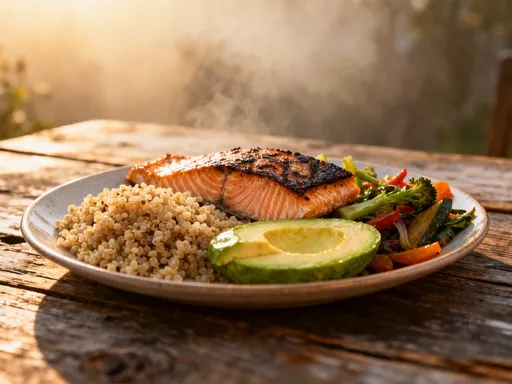
Lower-sodium eating also fit well within broader wellness habits. I found that drinking more water helped reduce cravings and supported overall balance. Mindful eating—sitting down to meals, chewing slowly, and paying attention to fullness cues—enhanced my enjoyment of food. I also focused on balanced meals that included protein, fiber, and healthy fats, which helped keep energy stable and cravings at bay. These habits reinforced each other, creating a positive cycle of health. The goal was not perfection but progress, one thoughtful choice at a time.
When to Seek Personalized Advice
While reducing sodium is beneficial for most people, individual needs vary. Some individuals, especially those with kidney disease, heart failure, or certain hormonal conditions, may require more specific dietary guidance. In these cases, sodium restrictions might be stricter, and other nutrients like potassium or fluid intake may also need monitoring. It’s important to recognize that general advice cannot replace personalized care. What works for one person may not be appropriate for another, depending on medical history and current health status.
Before making significant changes to your diet, especially if you have an existing health condition, consulting a healthcare provider or registered dietitian is strongly recommended. They can help assess your individual needs, review medications that may affect fluid or sodium balance, and provide tailored recommendations. For example, some blood pressure medications interact with sodium and potassium levels, so adjustments may be needed under professional supervision. This is not about fear, but about safety and effectiveness.
It’s also important to remember that this approach is about health maintenance, not medical treatment. Lowering sodium intake supports overall well-being and can complement medical care, but it should not be used as a substitute for prescribed therapies. Working alongside healthcare professionals ensures that dietary changes are both safe and sustainable. Empowerment comes from knowledge, but wisdom comes from knowing when to seek expert support.
Adopting a lower-salt lifestyle isn’t about sacrifice—it’s about upgrading how we fuel our bodies. Over time, my taste buds adjusted, my energy steadied, and I felt more in tune with what real flavor is. It’s not a quick fix, but a quiet transformation. By making mindful choices today, we invest in a stronger, healthier future—one meal at a time.