How I Finally Fixed My Sleep (And You Can Too)
Ever lie awake at night, mind racing, while your body screams for rest? I’ve been there—tossing, turning, surviving on coffee. Poor sleep affects everything: mood, focus, energy. But after trying everything, I discovered a simple game-changer: a beginner-friendly exercise routine that actually improved my sleep quality. No magic pills, no strict diets—just movement. This is what worked for me, and why science backs it up.
The Sleep Struggle Is Real (And You’re Not Alone)
Millions of people wake up feeling like they never slept at all. You climb into bed at a reasonable hour, but instead of drifting off, your thoughts spiral. Did I lock the door? What’s on tomorrow’s to-do list? Why did I say that in the meeting? Before you know it, an hour has passed, and you’re still staring at the ceiling. You finally fall asleep, only to wake up two hours later, wide-eyed and restless. By morning, you’re groggy, irritable, and already dreading bedtime.
This isn’t just a bad night here and there—it’s a pattern. For many, especially women in their 30s to 50s managing work, family, and household responsibilities, sleep becomes a luxury rather than a necessity. You might rely on caffeine to push through the day, only to feel too wired to rest at night. The cycle repeats, slowly eroding your energy, focus, and emotional balance. Over time, chronic sleep disruption doesn’t just leave you tired—it increases the risk of weight gain, weakened immunity, and mood disorders like anxiety and depression.
The truth is, poor sleep is not a personal failing. It’s a sign that something in your daily rhythm needs attention. And while many turn to sleep aids or strict bedtime rules, one of the most effective solutions often goes overlooked: physical activity. Not extreme workouts or marathon training, but gentle, consistent movement that supports your body’s natural ability to rest.
Why Exercise? The Science Behind Movement and Sleep
At first glance, the idea that moving more could help you sleep better might seem counterintuitive. After all, doesn’t exercise make you more alert? The answer lies in timing and type. When done correctly, physical activity doesn’t keep you awake—it helps regulate the very systems that control sleep.
Your body runs on a 24-hour internal clock called the circadian rhythm. This biological timer influences when you feel awake, when you feel sleepy, and how deeply you rest. Exercise acts like a reset button for this clock. Morning or afternoon movement, especially in natural light, signals to your brain that it’s daytime, helping you feel more alert during the day and more tired at night. Think of it as setting your internal alarm with consistency—just like winding a clock each day keeps it accurate.
Exercise also helps manage stress hormones. When you’re anxious or overwhelmed, your body produces more cortisol, a hormone that keeps you on high alert. Elevated cortisol at night makes it harder to fall asleep and stay asleep. Regular physical activity helps lower baseline cortisol levels, reducing the body’s stress response over time. At the same time, movement increases the production of endorphins and serotonin—brain chemicals linked to mood stability and relaxation.
Another key player is body temperature. After exercise, your core temperature rises slightly and then gradually drops. This cooling effect mimics the natural dip in body temperature that occurs before bedtime, signaling to your brain that it’s time to sleep. Studies have shown that even moderate-intensity activities like walking can improve sleep onset—the time it takes to fall asleep—and increase total sleep duration. The effect is especially strong for people with insomnia or restless sleep patterns.
My First Try: What I Actually Did (Spoiler: It Wasn’t Intense)
I didn’t start with a gym membership or a high-energy workout plan. In fact, my first attempt at using exercise to improve sleep was so simple, I almost dismissed it. I began with just 15 minutes of walking each morning—around the block, no music, no phone, just moving. I didn’t track steps or push my pace. At first, I didn’t notice any difference. But after about a week, I realized I wasn’t hitting the snooze button as often. I felt a little more awake in the morning, and surprisingly, less restless at night.
Encouraged, I added a short stretching routine before bed—gentle movements like shoulder rolls, neck stretches, and seated forward bends. These weren’t intense stretches; they were more about releasing the tension I’d carried through the day. I noticed that on nights I did the stretches, my mind was quieter. The usual mental checklist that kept me awake started to fade. I wasn’t falling asleep instantly, but I was falling asleep faster than before.
The real turning point came after three weeks. I had a stressful day—work deadlines, family responsibilities, the usual chaos. In the past, nights like that guaranteed a sleepless evening. But that night, I still walked in the morning and stretched before bed. And despite everything, I fell asleep within 20 minutes. I didn’t wake up until my alarm. That was the moment I realized this wasn’t a fluke. Something small, done consistently, was making a real difference.
The Beginner-Friendly Routine That Changed Everything
Based on what worked for me—and supported by sleep science—I built a simple weekly routine that anyone can follow, regardless of fitness level or schedule. The key is consistency, not intensity. This isn’t about burning calories or building muscle; it’s about creating a rhythm that supports rest.
Here’s the plan: Start with light cardio three to five times a week. A brisk 20- to 30-minute walk is perfect. Try to do it in the morning or early afternoon, ideally with some exposure to natural light. If you can’t get outside, walking around your home or up and down stairs works too. The goal is to get your heart rate slightly elevated—enough that you can talk but not sing. This type of movement helps regulate your circadian rhythm and reduces daytime fatigue.
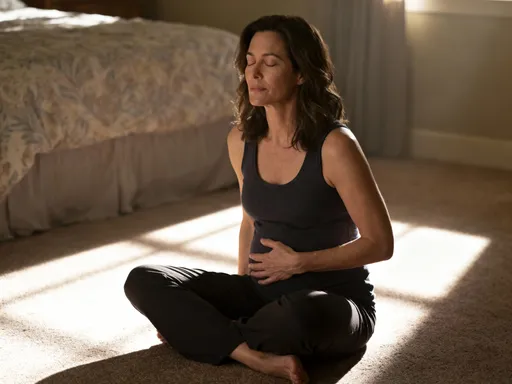
Next, incorporate daily stretching, especially in the evening. Focus on areas where you hold tension: neck, shoulders, back, and hips. Simple moves like cat-cow stretches, seated spinal twists, and gentle hamstring stretches can make a big difference. Spend 5 to 10 minutes, moving slowly and breathing deeply. This isn’t a workout—it’s a wind-down ritual. The physical release helps signal to your nervous system that it’s time to shift into rest mode.
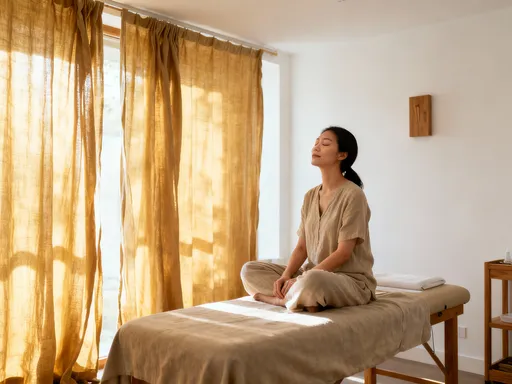
Finally, add a few minutes of mindful movement before bed. This could be slow shoulder rolls, ankle circles, or even lying on your back with knees bent, gently rocking them side to side. The purpose is to reconnect with your body and quiet your mind. No equipment is needed, and you don’t need special clothing. Just a few minutes of intentional movement can ease the transition from activity to rest.
For those with limited mobility or health concerns, the routine can be adapted. Seated stretches, arm lifts, or even slow breathing exercises while moving your fingers and toes can provide similar benefits. The goal is gentle engagement, not strain. Even small movements, when done regularly, can improve sleep quality over time.
Common Mistakes Newcomers Make (And How to Avoid Them)
When starting a new habit, it’s easy to fall into common traps—especially when you’re eager to see results. One of the biggest mistakes is doing too much too soon. Some people jump into intense workouts, thinking more effort will lead to faster results. But high-intensity exercise, especially in the evening, can actually disrupt sleep. It raises heart rate and adrenaline levels, making it harder to wind down. The body needs time to recover, and late-night exertion can delay the natural drop in core temperature that helps you fall asleep.
Another mistake is inconsistency. You might walk for three days, then skip a week, then try again. While any movement is beneficial, the real benefits for sleep come from regular, predictable patterns. Your body thrives on routine. When you move at roughly the same time each day, it reinforces your circadian rhythm, making sleep signals stronger and more reliable.
Skipping rest days is another pitfall. Rest is not a sign of laziness—it’s a critical part of the process. Overexertion can lead to physical fatigue without mental relaxation, which doesn’t support restful sleep. Listen to your body. If you’re sore or overly tired, take a day to stretch gently or simply walk at a slower pace. Recovery is part of progress.
Timing matters, too. While morning and afternoon movement supports sleep, exercising too close to bedtime—within two hours—can be stimulating for some people. If you prefer evening activity, keep it low-intensity. A short walk after dinner or a gentle stretching session is ideal. Avoid screens and bright lights afterward to maintain the calming effect.
Beyond the Body: How Movement Calms the Mind
Sleep isn’t just about physical tiredness—it’s deeply tied to mental state. Many people lie awake not because their bodies aren’t tired, but because their minds won’t shut off. Thoughts race, worries pile up, and the silence of the night amplifies every concern. This is where movement becomes more than just physical exercise—it becomes a form of mental relief.
When you walk, stretch, or move mindfully, you create space between your thoughts and your reactions. The rhythm of walking, the focus on breathing during stretches, the simple act of paying attention to your body—all of these help break the cycle of rumination. It’s not about clearing your mind completely; it’s about giving it a different focus. Over time, this practice builds mental resilience. You start to notice that thoughts come and go, and you don’t have to engage with every one.
For many women in midlife, this mental shift is especially valuable. Responsibilities pile up—caring for children, aging parents, managing a household, possibly working full-time. The pressure can feel constant. Movement becomes a form of self-care, a way to reclaim a few minutes for yourself. It’s not selfish; it’s necessary. When you care for your body, you’re also caring for your mind.
And as the mental noise decreases, sleep becomes easier to reach. You’re not fighting against your thoughts—you’re learning to coexist with them. The quiet that comes after movement isn’t forced; it’s earned. It’s the kind of calm that makes falling asleep feel natural, not like a battle.
Making It Stick: Building a Habit Without Pressure
The biggest obstacle to lasting change isn’t motivation—it’s sustainability. You might start strong, but life happens. A sick child, a work crisis, a busy weekend—these can derail even the best intentions. That’s why the goal isn’t perfection; it’s persistence. You don’t have to do everything every day. You just have to keep coming back.
One of the most effective ways to build a habit is to attach it to something you already do. For example, walk right after breakfast, or stretch while waiting for dinner to cook. Pairing movement with an existing routine reduces the mental effort of starting. You’re not adding a new task—you’re weaving it into your day.
Reminders can help too. Set a gentle alarm on your phone, leave your walking shoes by the door, or place a sticky note on the mirror. These small cues make it easier to remember and act. And when you do follow through, acknowledge it—silently or aloud. A simple “I did it” reinforces the behavior and builds confidence.
Tracking progress can also be motivating. Keep a simple journal or use a sleep and activity tracker. Note how you feel each day—energy levels, mood, sleep quality. Over time, you’ll start to see patterns. Maybe you sleep better after walking. Maybe stretching helps you relax faster. These observations aren’t about judgment—they’re about learning what works for you.
And if you miss a day? That’s okay. In fact, it’s normal. The key is not to let one missed day turn into a week or a month. Just start again. There’s no penalty, no failure—just the next opportunity to move. Consistency over time matters far more than any single day.
Remember, this isn’t about becoming an athlete or transforming your body. It’s about giving yourself the gift of better rest. And better rest starts with small, kind choices—choices that honor your body, your time, and your well-being.
Improving sleep doesn’t require extreme measures. It doesn’t demand hours at the gym or expensive supplements. What it does require is a willingness to start small and stay consistent. The journey from restless nights to peaceful sleep is built on simple, repeatable actions—morning walks, evening stretches, mindful moments. These small movements add up, not just in better sleep, but in greater energy, clearer focus, and a calmer mind.
You don’t have to be perfect. You don’t have to do it all at once. You just have to begin—where you are, with what you have. Whether it’s a five-minute stretch or a short walk around the block, each step is a move toward better rest. And every night of improved sleep is a step toward a healthier, more balanced life. Better sleep is not a destination; it’s a practice. And it’s one you can build, one gentle movement at a time.