How I Finally Learned to Move Freely — Real Flexibility Gains Without the Hype
For years, I thought flexibility was just for yogis or dancers — until stiff mornings and sore muscles made me rethink everything. Turns out, it’s not about touching your toes; it’s about moving without pain. I started small, tested daily routines, and noticed real changes in how my body felt. This isn’t a miracle fix — it’s practical progress through simple, science-backed moves. If you’ve ever felt tight or awkward in your own skin, this journey might be exactly what you need.
The Hidden Problem: Why Most People Overlook Flexibility
Flexibility is one of the most neglected aspects of physical health, often overshadowed by more visible goals like strength training or cardiovascular fitness. Many women in their 30s, 40s, and 50s find themselves struggling with stiffness, difficulty bending down to tie shoes, or discomfort when reaching for high shelves — yet rarely connect these issues to a lack of flexibility. The truth is, flexibility declines naturally with age, and without intentional movement, it can significantly impact quality of life. Unlike heart rate or muscle tone, poor flexibility doesn’t always announce itself loudly. Instead, it creeps in quietly — through a slight wince when standing up, a hesitation before climbing stairs, or the need to pause mid-walk because the hips feel tight.
The modern lifestyle accelerates this decline. Long hours spent sitting — whether at a desk, in the car, or on the couch — keep major muscle groups in a shortened position. The hip flexors tighten, the hamstrings shorten, and the shoulders round forward. Over time, the body adapts to this compressed posture, making full, free movement feel unfamiliar or even uncomfortable. This sedentary pattern is especially common among women managing careers, households, and family responsibilities, leaving little time to focus on mobility. Yet, the consequences go beyond discomfort. Restricted movement can lead to imbalances, compensatory patterns, and increased strain on joints, setting the stage for long-term wear and tear.
A major misconception is that flexibility is something you’re born with — that some people are naturally “bendy” while others simply aren’t. This belief discourages many from even trying. But research in exercise science confirms that flexibility is a trainable quality, much like strength or endurance. While genetics play a role in joint structure and connective tissue elasticity, the majority of flexibility improvements come from consistent, mindful movement. The key is not to aim for extreme ranges but to restore the body’s natural capacity to move smoothly and efficiently. Recognizing flexibility as a skill — not a trait — shifts the mindset from “I can’t” to “I can, with practice.”
What Flexibility Really Is — And What It Isn’t
At its core, flexibility is the ability of muscles and joints to move through their full, natural range of motion. It’s not about achieving perfect splits or wrapping your legs behind your head — those are feats of extreme mobility, often requiring specialized training. True functional flexibility means being able to bend, twist, reach, and squat without restriction or pain. It involves both the elasticity of muscles and the health of connective tissues like tendons and ligaments, as well as joint alignment and neuromuscular coordination. When all these elements work together, movement feels fluid and effortless. When one is compromised, the whole system suffers.
There are different types of flexibility, each serving a unique purpose. Static flexibility refers to the ability to hold a stretch in a fixed position, such as reaching forward to touch your toes. This type is commonly used in cool-down routines and helps improve muscle length over time. Dynamic flexibility involves controlled, movement-based stretches — like leg swings or arm circles — that prepare the body for activity by increasing blood flow and activating the nervous system. Functional flexibility is the most practical form; it’s the ability to use your range of motion in real-life situations, such as lifting a child, gardening, or getting in and out of a car with ease.
One of the most persistent myths is that “more stretching is always better.” In reality, excessive stretching without strength or control can lead to joint instability. Muscles need both length and strength to support movement safely. Think of flexibility like a rubber band: too tight, and it can snap under pressure; too loose, and it loses its ability to recoil effectively. The goal is balance — a resilient, responsive body that can move freely without sacrificing stability. Another common misunderstanding is equating flexibility with pain. Stretching should never be painful. A mild sensation of tension is normal, but sharp or shooting pain is a signal to stop. The body responds best to gentle, consistent input, not forceful pushing.
Why Flexibility Matters Beyond the Stretch
The benefits of improved flexibility extend far beyond the ability to perform certain movements. One of the most immediate effects is better posture. Tight muscles — particularly in the chest, hips, and lower back — pull the body out of alignment, leading to slouching, rounded shoulders, and increased spinal pressure. As flexibility improves, the body naturally begins to realign. Shoulders draw back, the chest opens, and the pelvis settles into a more neutral position. This not only enhances appearance but also reduces strain on the spine and surrounding muscles, decreasing the likelihood of chronic discomfort.
Another critical benefit is injury prevention. When muscles are tight, they are more prone to strain during sudden movements or physical exertion. A simple twist to grab something off a shelf, a quick turn while walking, or even a misstep on uneven ground can result in a pulled muscle if the body isn’t prepared. Flexible muscles are more resilient and better able to absorb stress. Additionally, improved range of motion allows joints to move through their full capacity, reducing friction and wear on cartilage. This is especially important for maintaining joint health as we age, helping to prevent conditions like osteoarthritis.
Flexibility also supports circulation and recovery. When muscles are tight, blood flow can be restricted, leading to the buildup of metabolic waste and increased soreness after activity. Stretching helps open up blood vessels, promoting oxygen delivery and nutrient exchange. This not only speeds up recovery but also reduces feelings of fatigue and stiffness. Many women report improved sleep and reduced tension headaches after incorporating regular stretching into their routines — likely due to the calming effect on the nervous system. Over time, these small improvements compound, leading to a greater sense of physical ease and well-being.
The Science of Safe, Effective Stretching
Understanding how the body responds to stretching can make a significant difference in results. Muscles are not like taffy — they don’t permanently lengthen with a few quick pulls. Instead, flexibility gains come from a combination of mechanical changes in muscle fibers and neurological adaptations. When you stretch, you’re not just elongating tissue; you’re also teaching the nervous system to tolerate a greater range of motion. The nervous system acts as a built-in safety mechanism, limiting movement to prevent injury. Over time, consistent stretching signals that a particular range is safe, allowing the body to relax into it more easily.
One of the most effective principles is progressive adaptation. Just as lifting heavier weights builds strength, gradually increasing stretch duration and frequency builds flexibility. Research shows that holding a stretch for 30 to 60 seconds, repeated 2 to 4 times per session, produces measurable improvements over time. Short, frequent sessions are more effective than infrequent, intense ones. The key is consistency — stretching three to five times a week yields better results than a single, long session on the weekend. Additionally, warming up the body before stretching enhances effectiveness. Light activity like walking or gentle movement increases muscle temperature, making tissues more pliable and responsive.
Techniques like proprioceptive neuromuscular facilitation (PNF) and active isolated stretching (AIS) can accelerate progress. PNF involves contracting a muscle before stretching it, which helps override the nervous system’s resistance. For example, gently pushing against a wall with your leg before stretching the hamstring can lead to a deeper, more effective stretch. AIS focuses on short, repetitive movements — typically 2-second holds — that improve range without triggering the stretch reflex. While these methods are often used in rehabilitation settings, simplified versions can be safely incorporated into home routines. The underlying principle is the same: work with the body’s natural mechanics, not against them.
My Daily Flexibility Routine — Simple Moves That Work
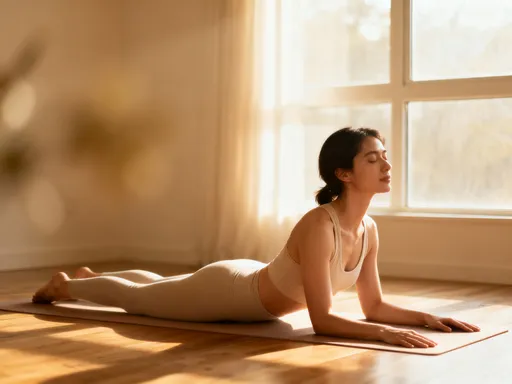
My journey began with just five minutes a day — a small investment that quickly became non-negotiable. I started with dynamic stretches in the morning to wake up my body. The cat-cow stretch, performed on hands and knees, gently mobilizes the spine and warms up the back. I move slowly, inhaling as my belly drops and arching my back, then exhaling as I round my spine upward. This simple sequence improves spinal fluidity and eases morning stiffness. Next, I perform hip circles — standing on one leg and rotating the other hip in slow, controlled circles. This loosens the hip joint, which tends to stiffen from sitting, and improves balance.
Shoulder rolls are another staple. Sitting or standing, I roll my shoulders forward in slow, deliberate motions, then reverse the direction. This relieves tension from daily tasks like carrying bags or typing. I also incorporate ankle circles and wrist rotations — small movements that maintain joint health in often-overlooked areas. These dynamic movements take less than ten minutes but make a noticeable difference in how my body feels throughout the day.
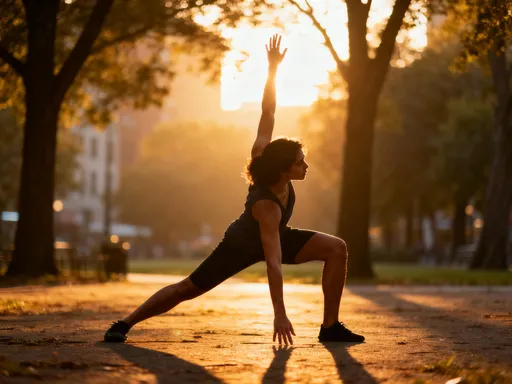
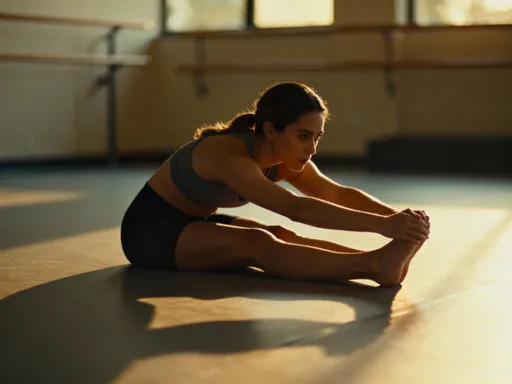
In the evening, I shift to static stretching. I focus on major muscle groups: hamstrings, hip flexors, glutes, and calves. For the hamstrings, I lie on my back and use a towel or strap to gently pull one leg toward me, keeping the knee slightly bent if needed. I hold each stretch for 30 to 45 seconds, breathing deeply to encourage relaxation. The hip flexor stretch, done in a lunge position with the back knee on the floor, targets a muscle group that tightens from prolonged sitting. I’ve learned to be patient — progress wasn’t immediate. It took about four weeks before I noticed I could bend down more easily, and six weeks before I could reach past my knees without straining.
What surprised me most was how consistency outweighed intensity. I didn’t need to push hard or feel pain to see results. In fact, the gentler I was, the more my body responded. Over time, I added mobility drills between workouts — such as leg swings and torso twists — to maintain fluidity. These movements bridge the gap between strength and flexibility, ensuring that my body could move freely in all directions.
Common Mistakes That Slow Progress
Even with the best intentions, many people unknowingly hinder their flexibility progress. One of the most common errors is bouncing during stretches — a practice known as ballistic stretching. While it may feel like it’s increasing range, it actually triggers the stretch reflex, causing muscles to contract and resist lengthening. This can lead to micro-tears and increased soreness. Instead, smooth, controlled movements are far more effective and safer for long-term gains.
Another frequent mistake is holding the breath. Tension in the body is often mirrored in the breath — shallow, rapid, or paused altogether. But deep, rhythmic breathing plays a crucial role in relaxation and muscle release. When we inhale deeply, the diaphragm expands, creating space in the torso and allowing muscles to lengthen more easily. Exhaling signals the nervous system to relax, reducing resistance in the stretch. Simply remembering to breathe can transform a frustrating stretch into a soothing experience.
Many also neglect asymmetries — the fact that one side of the body is often tighter than the other. Stretching both sides equally without acknowledging these differences can reinforce imbalances. A better approach is to assess each side individually and spend a few extra seconds on the tighter side. Additionally, focusing only on the most obvious tight areas — like hamstrings — while ignoring others, such as the chest or ankles, creates uneven flexibility. A well-rounded routine addresses the entire body, not just the most noticeable problem spots.
Making Flexibility a Lifestyle — Not Just a Workout
Sustainable flexibility isn’t achieved through occasional stretching sessions — it’s built into daily life. I’ve learned to integrate movement into routine activities. While brushing my teeth, I stand on one leg to improve balance and engage my core. While waiting for the kettle to boil, I do calf raises or shoulder rolls. During phone calls, I walk slowly and mindfully, paying attention to my posture and stride. These micro-moments of movement add up, keeping my body fluid and responsive throughout the day.
I’ve also adopted mindful movement breaks. Every hour, I pause for two to three minutes to stretch or reset my posture. Sometimes it’s a forward fold over a chair, other times a gentle twist while seated. These breaks not only prevent stiffness but also serve as mental resets, reducing stress and improving focus. Over time, I’ve come to view flexibility not as a chore, but as a form of self-care — a way of honoring my body’s needs and maintaining independence.
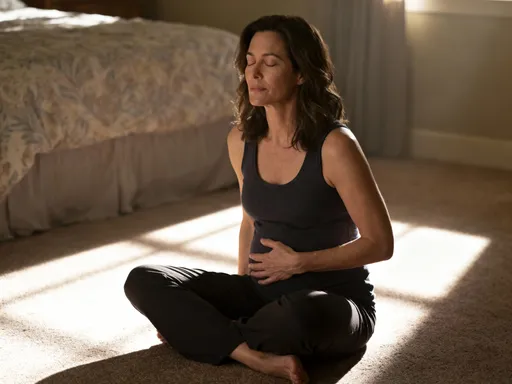
Breathing practices have become an essential part of my routine. I spend a few minutes each evening doing diaphragmatic breathing — inhaling deeply through the nose, allowing the belly to rise, and exhaling slowly. This calms the nervous system and enhances the body’s ability to relax into stretches. Combined with gentle movement, it creates a powerful synergy that supports long-term mobility.
Moving freely is not a luxury — it’s a fundamental part of living well. As we age, the ability to bend, reach, and move without pain becomes increasingly valuable. Flexibility is not about achieving perfection; it’s about preserving function, comfort, and confidence. The journey doesn’t require expensive equipment or hours of training. It begins with awareness, continues with consistency, and rewards with freedom. Every small stretch, every mindful breath, is an investment in a body that can keep up with life — today, tomorrow, and for years to come.