How I Found My Body Again Through Qigong After Burnout
For years, I pushed through exhaustion, thinking rest was for the weak. But when my body finally said “no,” I had no choice but to listen. That’s when I discovered qigong—not as a quick fix, but as a quiet return to balance. This is how a 2,000-year-old practice helped me recover energy, rebuild resilience, and reconnect with my body in ways modern medicine couldn’t. It wasn’t magic—just movement, breath, and time.
The Breaking Point: When My Body Shut Down
It started slowly—small signs dismissed as normal stress. A tired morning here, a restless night there. But over time, the fatigue deepened into something more persistent. I was working long hours, managing family responsibilities, and trying to keep up with an endless list of personal goals. Rest was seen as a luxury I couldn’t afford. Sleep became shallow, and no amount of coffee could mask the constant heaviness in my limbs. My digestion worsened; meals that once felt light now sat like stones in my stomach. Headaches became routine, and even simple tasks required monumental effort.
Then came the moment I couldn’t ignore: I collapsed on the bathroom floor one morning, dizzy and weak, unable to stand without support. My heart raced for no reason. My hands trembled. I had reached a point where my body had simply stopped cooperating. Doctors ran tests, prescribed supplements, suggested medication for anxiety and sleep. But no diagnosis fully explained the depth of what I was feeling. I wasn’t sick in the traditional sense—yet I wasn’t well, either. I felt disconnected from myself, like a machine running on empty. That’s when I began searching for something different—not another pill, but a way to restore my body’s natural balance.
Modern medicine offered tools, but not a path back to wholeness. I needed a practice that respected the complexity of what I had endured—chronic stress, emotional strain, physical depletion. I wasn’t looking for a cure, but a way to rebuild. That’s how I found qigong, a gentle, centuries-old practice that promised not to fix me, but to help me return to myself.
Discovering Qigong: More Than Just Movement
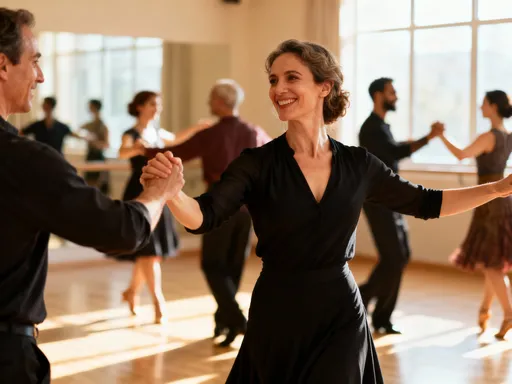
At first, I was skeptical. When a friend recommended qigong, I pictured slow-motion waving or mystical energy work with no real benefit. I associated it with trends, not transformation. But desperate for change, I attended a beginner’s class at a local wellness center. The room was quiet, the lighting soft. We stood barefoot on mats, breathing deeply as the instructor guided us through simple movements—raising the arms like lifting a balloon, stepping forward with deliberate slowness, turning the torso as if wading through water.
What surprised me wasn’t the movements, but how I felt afterward: calmer, more centered, as if a layer of static in my mind had been cleared. Qigong, I learned, is a mind-body practice rooted in traditional Chinese medicine, designed to cultivate and balance qi—the vital energy believed to flow through all living things. It combines regulated breathing, gentle physical postures, and focused intention to support health and well-being. Unlike high-intensity workouts that demand effort and endurance, qigong asks for presence, not performance.
It’s not about burning calories or building muscle. It’s about listening. The practice met me where I was—exhausted, fragile, and in need of repair. There was no pressure to push harder, no judgment for moving slowly. In fact, slowness was the point. Each movement was an invitation to reconnect with my body, not as a machine to be driven, but as a living system that needed care. Over time, I began to see qigong not as an alternative therapy, but as a form of embodied healing—one that worked with my nervous system, not against it.
Why the Body Needs Slowness to Heal
Chronic stress keeps the body in a prolonged state of “fight or flight,” governed by the sympathetic nervous system. This survival mechanism is meant for short-term threats—like escaping danger—but when activated constantly by deadlines, responsibilities, and emotional strain, it disrupts digestion, weakens immunity, and impairs rest. My body had been stuck in this state for years, and no amount of willpower could turn it off. What I needed wasn’t more effort, but a way to signal safety.
Qigong works by activating the parasympathetic nervous system—the “rest and digest” counterpart that allows the body to recover, repair, and regenerate. Through slow, rhythmic movements and deep abdominal breathing, qigong sends a message to the brain that it’s safe to relax. Think of it like rebooting a frozen computer. When a system is overwhelmed, shutting it down and restarting allows it to function properly again. Similarly, qigong offers the body a chance to reset, to step out of survival mode and return to balance.
Research supports this effect. Studies have shown that mind-body practices like qigong can reduce cortisol levels, lower blood pressure, and improve heart rate variability—a key marker of resilience. But more than the data, I felt the change. After just a few weeks, my sleep improved. The constant hum of anxiety in my chest softened. My digestion began to normalize. These weren’t dramatic shifts, but subtle, cumulative improvements that signaled my body was finally beginning to heal. Slowness wasn’t the absence of progress—it was the foundation of it.
The Three Pillars of Qigong for Recovery
Qigong rests on three foundational elements: breath, posture, and awareness. Each plays a crucial role in restoring balance and supporting recovery. Together, they form a system that is simple in form but profound in effect. Unlike complex fitness routines that require equipment or expertise, qigong is accessible to nearly anyone, regardless of age, fitness level, or physical condition. The power lies not in intensity, but in consistency and attention.
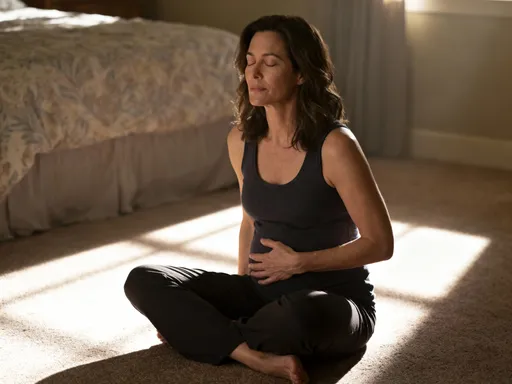
Breath is the anchor of the practice. Most of us breathe shallowly, using only the upper chest, which reinforces stress responses. Qigong teaches abdominal breathing—deep, slow inhalations that expand the belly, followed by long, controlled exhalations. This type of breathing stimulates the vagus nerve, a key component of the parasympathetic system, helping to calm the mind and regulate the body. I began by practicing just five minutes a day, lying on my back with a book on my stomach, watching it rise and fall with each breath. Over time, this became second nature, even during stressful moments.
Posture is the second pillar. In qigong, alignment isn’t about perfection, but about creating ease and openness in the body. A simple stance—feet shoulder-width apart, knees slightly bent, spine upright—allows energy to flow freely. One of the first practices I learned was “standing like a tree,” where I stood still for several minutes, feeling grounded and present. At first, my legs trembled and my mind wandered. But with time, I learned to relax into the posture, to feel the connection between my feet and the earth. This sense of grounding became a metaphor for my recovery—learning to stand without rushing, to be still without fear.
Awareness is the third and perhaps most transformative element. Qigong isn’t just about doing; it’s about noticing. Where is the tension? What does fatigue feel like in the body? How does a deep breath change the quality of a thought? This mindful attention helps break the cycle of automatic stress responses. Instead of reacting to discomfort with more strain, I learned to respond with gentle adjustment. Over time, this awareness extended beyond practice—into meals, conversations, and daily routines. I began to recognize the early signs of burnout before they escalated, giving me the power to intervene before crisis returned.
My Daily 15-Minute Routine That Changed Everything
Consistency mattered more than duration. I committed to just 15 minutes a day—morning and evening—to build a sustainable habit. In the morning, I began with “lifting the sky,” a gentle sequence where I raised my arms overhead on the inhale and lowered them on the exhale, imagining energy rising and falling with each cycle. This simple movement warmed my body and set a calm tone for the day. I followed it with “separating heaven and earth,” a flowing side-to-side motion that stretched my torso and improved circulation.
In the evening, I shifted to more grounding practices. “Standing like a tree” helped me release the day’s tension. I focused on my breath, letting go of thoughts as they arose. Sometimes, I added “drawing the moon,” a slow, circular arm movement that felt soothing and meditative. These routines weren’t elaborate, but they created a rhythm—a daily ritual of return. I didn’t expect immediate results, but over weeks and months, the changes became undeniable.
Sleep deepened. I no longer woke at 3 a.m. with a racing mind. My digestion improved, and the bloating that had plagued me for years began to fade. My shoulders, once permanently hunched, gradually relaxed. Emotionally, I felt more stable. Small frustrations no longer spiraled into overwhelm. The progress was gradual, but it was real. I wasn’t just surviving—I was beginning to thrive. And the best part? I could do it all at home, without special equipment or expensive classes. All I needed was space, time, and intention.
Beyond the Physical: Emotional and Mental Shifts
What surprised me most was how qigong affected my emotional landscape. I hadn’t started the practice to manage anxiety, but that’s exactly what happened. As my body relaxed, so did my mind. The constant mental chatter slowed. I became more aware of my emotional patterns—how stress showed up as tightness in my jaw, how sadness settled in my chest. This body awareness gave me a new way to process feelings, not by suppressing them, but by feeling them fully and letting them pass.
Mental clarity improved, too. After years of brain fog, I found I could focus better, make decisions with more confidence, and remember details that once slipped away. This wasn’t due to increased stimulation, but to reduced internal noise. Qigong didn’t add anything—it simply created space. In that space, I rediscovered a sense of self-trust. I learned to listen to my body’s signals, to honor my limits, and to respect my need for rest. This was a radical shift for someone who had long equated busyness with worth.
The practice also deepened my relationship with time. In a world that glorifies speed, qigong taught me the value of slowness. Each movement was an act of patience, a reminder that healing cannot be rushed. I stopped measuring progress by productivity and began to value presence. This shift extended beyond practice—into how I parented, worked, and lived. I became more patient with myself and others. I stopped apologizing for needing rest. And in that acceptance, I found a quiet strength I hadn’t known before.
Making Qigong Sustainable: Habits, Not Hype
The key to lasting change wasn’t intensity, but integration. I learned to pair my practice with existing habits—after brushing my teeth in the morning, before turning off the light at night. These cues made it easier to remember and more likely to stick. I started small, even just five minutes on low-energy days, knowing that consistency mattered more than duration. Some days, I didn’t feel like practicing. But I showed up anyway, not to achieve a goal, but to honor a commitment to myself.
I adjusted the practice to my energy levels. On good days, I explored longer sequences. On hard days, I simply stood and breathed. This flexibility prevented burnout and kept the practice sustainable. I avoided treating qigong like another performance metric—no tracking minutes or chasing milestones. Instead, I focused on how it made me feel: grounded, calm, connected. This internal feedback became my guide.
I also found community helpful. While qigong can be practiced alone, joining an online group or attending occasional classes provided encouragement and accountability. Hearing others share similar struggles reminded me I wasn’t alone. But even without formal support, the practice remained accessible. There are countless free resources—videos, guides, and apps—that offer clear, safe instruction. The most important thing was showing up, day after day, with kindness and patience.
Qigong didn’t cure me—it taught me how to care. In a world that glorifies speed, it offered a different rhythm: one where healing happens not in spite of slowness, but because of it. This quiet practice became my foundation for lasting body recovery, reminding me that sometimes, the most powerful medicine moves at the speed of breath.