How I Reset My Body by Quitting Smoking and Cutting Alcohol
What happens when you stop smoking and drinking? I found out the hard way—until I decided to change. Within weeks, my energy returned, my skin cleared, and my mind felt sharper. This isn’t a miracle, just science-backed body adjustment. If you’ve ever wondered how your body truly responds to quitting, this journey reveals what really shifts—and how you can, too.
The Wake-Up Call: Recognizing the Need for Change
For many women in their 30s, 40s, and beyond, life often feels like a constant balancing act. Between family responsibilities, work, and personal expectations, it’s easy to overlook subtle signs that your body is struggling. The fatigue that no amount of coffee can fix, the restless nights despite being exhausted, the growing sense of anxiety that creeps in after dinner—these aren’t just normal parts of aging. They can be signals of deeper imbalance, especially when tied to habits like smoking and drinking.
One woman shared how she used to light a cigarette after every meal and pour a glass of wine each evening. It started as a way to unwind, but over time, it became automatic. She didn’t think much of it—until she noticed she couldn’t walk up a flight of stairs without feeling winded, or that her skin looked dull and lifeless. Her doctor mentioned her blood pressure was rising, and her liver enzymes were slightly elevated. These weren’t dramatic warnings, but they were enough to make her pause. She realized her habits weren’t just relaxing—they were taking a toll.
This kind of personal reckoning is more common than many realize. Smoking and alcohol often become coping mechanisms, quietly woven into daily routines. The turning point comes when the cost begins to outweigh the comfort. It might be a comment from a child about the smell of smoke, or a moment of clarity in the mirror. For some, it’s the realization that they’re missing out on life—too tired to play with grandchildren, too foggy to enjoy a good book. These are not medical emergencies, but emotional and physical tipping points that spark real change.
What makes this shift powerful is that it’s rooted in self-awareness. It’s not about guilt or shame, but about recognizing that the body has limits. When fatigue, poor sleep, or mood swings become persistent, they’re not just inconveniences—they’re invitations to listen. And for many women, that invitation becomes the first step toward reclaiming their health.
What Your Body Experiences: The First 72 Hours
The first three days after quitting smoking and pausing alcohol are often the most intense—but also the most revealing. Within just 12 hours of your last cigarette, oxygen levels in your blood begin to rise. Carbon monoxide, a harmful gas in smoke that replaces oxygen in red blood cells, starts to clear. This means your heart doesn’t have to work as hard, and your organs begin receiving more of what they need to function properly. You might not feel it immediately, but your body is already healing.
By the 24-hour mark, your liver, which processes alcohol and toxins, begins to reset. If you’ve been drinking regularly, your liver may have been working overtime. Now, with a break, it starts to metabolize stored fats and clear out residual alcohol. Some people notice a slight headache or mild nausea during this time—this isn’t a sign that something is wrong, but rather that your body is detoxifying. These symptoms are temporary and usually pass within a couple of days.
Between 48 and 72 hours, nerve endings start to regenerate, and your sense of smell and taste begin to improve. Many report that food suddenly tastes richer, or that they can detect scents they hadn’t noticed in years. At the same time, nicotine withdrawal symptoms may peak. Irritability, restlessness, and cravings are common. These feelings can be uncomfortable, but they’re also proof that your nervous system is recalibrating. Your brain is adjusting to functioning without the artificial stimulation of nicotine and alcohol.
It’s important to understand that these early symptoms are not setbacks—they are signs of progress. The discomfort is temporary, but the benefits are lasting. During this window, support systems matter. Drinking plenty of water, getting light movement, and practicing deep breathing can help ease the transition. The body is resilient, and these first 72 hours set the foundation for deeper healing in the weeks ahead.
The Hidden Connection: How Smoking and Drinking Feed Each Other
One of the most overlooked aspects of quitting is how deeply intertwined smoking and drinking can be. For many, lighting a cigarette feels like a natural companion to having a drink. This isn’t just habit—it’s chemistry. Alcohol lowers inhibitions, making it easier to reach for a cigarette. Nicotine, in turn, can heighten the pleasurable effects of alcohol, creating a feedback loop that reinforces both behaviors.
Brain studies show that both substances affect dopamine, the neurotransmitter linked to pleasure and reward. When used together, they amplify each other’s effects, making the combination more reinforcing than either one alone. Over time, the brain begins to expect one when the other is present. This is why many people find that after a glass of wine, the urge to smoke becomes almost automatic. Similarly, after a cigarette, there’s a pull to have another drink.
Behavioral patterns also play a role. Social settings, evening routines, or stress relief moments often involve both. A woman might say, “I only smoke when I drink,” not realizing how dependent the two habits have become on each other. Trying to quit one while continuing the other can make success much harder. The unused trigger remains active, waiting to pull the person back in.
Breaking both habits together increases the chances of long-term success. When you remove both, you disrupt the entire cycle. It’s not about willpower—it’s about strategy. By addressing the connection, you weaken the foundation of both addictions. This doesn’t mean it’s easy, but it does mean the effort is more effective. Recognizing this link is the first step toward true freedom.
Body Adjustment in Action: 1 to 4 Weeks of Change
By the end of the first week, many people begin to notice tangible improvements. Breathing becomes easier. Coughing may decrease as the lungs start to clear out mucus and repair damaged cilia—tiny hair-like structures that help filter air. Circulation improves, so hands and feet may feel warmer. Sleep patterns often begin to stabilize, though some still experience restlessness as the body adjusts.
Between days 7 and 14, hydration levels improve significantly. Alcohol is dehydrating, and smoking reduces moisture in the skin and mucous membranes. Without these depleting habits, the body retains more water. This leads to more supple skin, fewer headaches, and better digestion. Many report that their eyes look brighter and their complexion appears more even. These visible changes can be powerful motivators.
By the third week, energy levels typically rise. The heart no longer has to compensate for reduced oxygen, and the liver continues to recover, improving overall metabolic function. Mood swings begin to lessen as brain chemistry stabilizes. Serotonin and dopamine levels start to regulate naturally, reducing the emotional rollercoaster that often accompanies early withdrawal. This is also when mental clarity becomes more noticeable. Concentration improves, and many describe a “fog” lifting from their mind.
By the fourth week, lung capacity can increase by up to 30% in some individuals. Physical activity becomes less taxing. Walking, climbing stairs, or playing with children feels easier. Digestion often improves as the gut lining heals and liver function normalizes. These changes are not dramatic overnight, but they accumulate. Each small win builds confidence and reinforces the decision to change. The body is not just recovering—it’s adapting to a new, healthier normal.
Science-Backed Strategies That Actually Work
Sustaining change requires more than just stopping a habit—it requires replacing it with something healthier. One of the most effective methods is behavioral substitution. Instead of reaching for a cigarette after dinner, try stepping outside for a short walk. Instead of pouring a drink, brew a cup of herbal tea. These small swaps disrupt the automatic nature of old routines without leaving a void.
Environmental control is another key strategy. Remove triggers from your surroundings. If ashtrays or wine glasses are within reach, the temptation is stronger. Clearing these items from the home sends a clear message to your brain: this behavior is no longer part of your life. Rearranging your space—even something as simple as changing your seat at the dinner table—can help break the association between place and habit.
Mindfulness techniques have been shown to reduce cravings and improve emotional regulation. Simple practices like deep breathing, meditation, or journaling can create a pause between impulse and action. When a craving hits, waiting just 10 minutes while focusing on the breath can reduce its intensity. Over time, this builds self-trust and resilience.
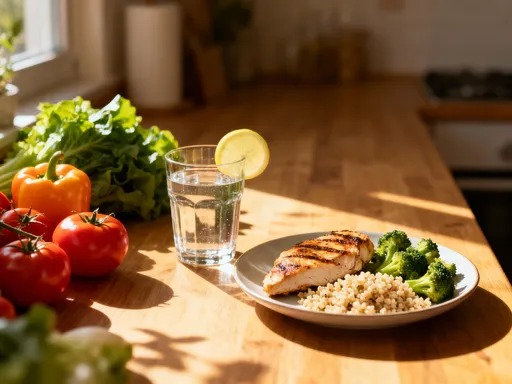
Hydration is another powerful tool. Drinking water throughout the day supports liver function, reduces fatigue, and can even curb false hunger signals that mimic cravings. Some find that adding lemon or cucumber to water makes it more appealing. Sleep optimization is equally important. Going to bed and waking up at consistent times helps regulate hormones that influence mood and appetite. Together, these strategies form a supportive framework that makes lasting change possible without feeling deprived.
When to Seek Professional Support: Know the Limits
While many people successfully reduce or quit smoking and drinking on their own, it’s important to recognize when professional help is needed. Some individuals experience severe withdrawal symptoms, such as intense anxiety, depression, or even physical complications like high blood pressure or seizures. These are not signs of weakness—they are medical conditions that require attention.
Women who have been drinking heavily for years may be at risk for alcohol withdrawal syndrome, which can be dangerous without supervision. Similarly, long-term smokers with underlying heart or lung conditions may need medical guidance when quitting. A doctor can assess individual risk and recommend safe approaches, including medication-assisted treatment if appropriate.
Underlying mental health issues, such as chronic stress, anxiety, or depression, can also make quitting more difficult. These conditions are not barriers to change, but they do require integrated care. Therapy, counseling, or support groups can provide tools to manage emotional triggers without relying on substances. The goal is not to shame or judge, but to ensure safety and long-term success.
Asking for help is not a failure—it’s a sign of strength. Healthcare providers are trained to support, not criticize. They can offer personalized plans, monitor progress, and adjust strategies as needed. By combining self-effort with professional guidance, the journey becomes safer, more effective, and more sustainable.
Building a Sustainable Lifestyle: Beyond Quitting
Quitting smoking and cutting alcohol are powerful first steps, but lasting wellness comes from building a life that supports those choices. This means creating routines that nurture the body and mind. Regular physical activity—whether it’s walking, yoga, or gardening—boosts circulation, improves mood, and strengthens the heart. Even 20 minutes a day can make a difference.
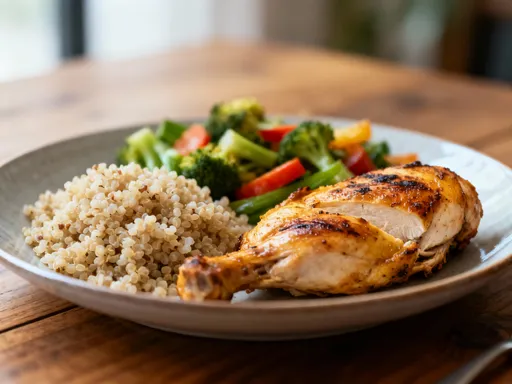
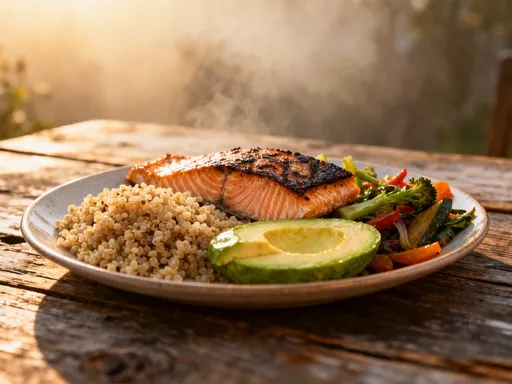
Nutrition plays a crucial role. Eating whole foods—fruits, vegetables, lean proteins, and whole grains—provides the nutrients the body needs to repair and thrive. Antioxidant-rich foods help reduce inflammation, while fiber supports digestion and liver health. Staying hydrated remains essential, especially as the body continues to flush out residual toxins.
Stress management is equally important. Life doesn’t stop being busy, but how we respond to it can change. Techniques like deep breathing, journaling, or spending time in nature can lower cortisol levels and improve emotional balance. Building strong social connections—talking with friends, joining a community group, or volunteering—provides emotional support and reduces the isolation that can lead to relapse.
Over time, these habits become the new normal. The focus shifts from what was lost to what was gained—more energy, clearer skin, better sleep, and a renewed sense of control. This isn’t about perfection; it’s about progress. Some days will be harder than others, but each choice to stay on track reinforces resilience. The body has an incredible ability to heal when given the right conditions. By investing in daily wellness, you’re not just avoiding harm—you’re actively building a stronger, healthier future.
Quitting smoking and limiting alcohol isn’t just about breaking habits—it’s about retraining your body and mind. The transformation is real, gradual, and deeply personal. By understanding the science and supporting your body’s natural ability to heal, you’re not just surviving—you’re thriving. The best investment you can make is in your own resilience.