How I Tamed My Cholesterol with Simple Moves That Actually Work
High cholesterol used to be my silent problem—no symptoms, just a scary number on a lab report. But after learning it could harm my heart over time, I got serious. I didn’t want pills to be my only option. What changed? Daily movement, not extreme workouts. Turns out, the right exercises can shift lipid levels naturally. This is how I found practical, sustainable ways that made a real difference—no gym membership or miracle fixes required.
The Wake-Up Call: When Numbers Hit Home
A routine check-up changed everything. My doctor called it a “quiet risk”—high LDL cholesterol and low HDL, the kind of imbalance that doesn’t announce itself with pain or fatigue. It simply waits. For years, I had no idea. Like many women in their 40s and 50s, I focused on family, work, and keeping the household running. My health was background noise—until the lab results turned it into a siren. LDL, the so-called “bad” cholesterol, was creeping above 160 mg/dL. HDL, the “good” kind, was below 50 mg/dL. These numbers matter because LDL contributes to plaque buildup in arteries, while HDL helps remove it. Together, they form a ratio that predicts long-term heart health.
What surprised me most was how common this imbalance is. According to the Centers for Disease Control and Prevention, more than 12% of U.S. adults have high total cholesterol. Yet, because it causes no immediate symptoms, many don’t discover it until a more serious issue arises. My doctor explained that without intervention, this pattern could increase my risk of cardiovascular disease over time. The good news? Lifestyle changes can shift these numbers. Medication was an option, but not the first one I wanted to take. I asked if there were natural ways to support better lipid levels—and the answer was a clear yes. Exercise, in particular, plays a powerful role in cholesterol management.
I decided to act with intention. Instead of drastic measures or trendy diets, I focused on sustainable habits. I committed to working with my doctor, not against medical advice. This wasn’t about rejecting medication—it was about giving my body a chance to respond to movement, food, and rest first. The goal wasn’t perfection but progress. Over the next few months, I tracked changes not just in numbers but in how I felt: more energy, better sleep, and a growing sense of control. That shift—from fear to agency—was the real turning point.
Why Exercise Matters More Than You Think
Most people think of exercise as a tool for weight loss or muscle gain. Few realize its deep impact on internal chemistry—especially cholesterol. Physical activity doesn’t just burn calories; it reshapes how your body processes fat. When you move, your muscles pull triglycerides from the bloodstream for fuel. Over time, this lowers circulating fats and reduces the burden on your liver, which is responsible for producing and clearing cholesterol. At the same time, regular movement signals your body to boost HDL production, improving your ability to clean up excess LDL.
The science behind this is well-established. Studies published in journals like the “Journal of the American Heart Association” show that consistent aerobic exercise increases HDL cholesterol by 4% to 10%. Resistance training adds further benefit by increasing lean muscle mass, which improves metabolic efficiency. Even modest activity—like brisk walking or light strength work—can shift lipid profiles over time. The key is consistency. Unlike quick fixes, exercise works gradually, mimicking the slow but steady nature of cholesterol buildup. You won’t see results overnight, but with persistence, the changes are real and measurable.
Another important factor is insulin sensitivity. As we age, especially after 40, our bodies can become less responsive to insulin, which affects how fats are stored and used. Exercise helps reverse this trend by making cells more receptive to insulin, reducing fat accumulation in the blood. This metabolic tuning supports not only cholesterol balance but overall cardiovascular resilience. The message from research is clear: movement is medicine. It doesn’t replace medical treatment when needed, but it strengthens your body’s natural defenses. For someone like me, who wanted to avoid medication if possible, this was empowering knowledge.
Walking Isn’t Boring—It’s Powerful
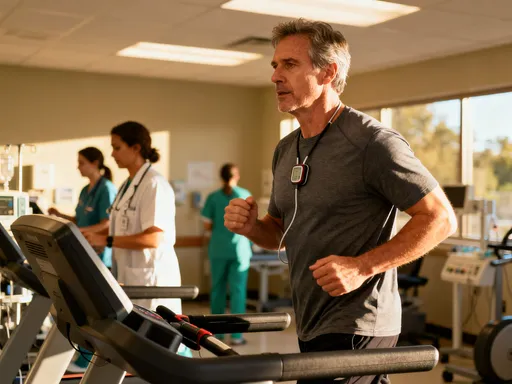
I used to think walking was too simple to make a difference. I pictured it as “just moving,” not real exercise. But after learning about its cardiovascular benefits, I gave it a second chance. I started with 20 minutes a day, walking around my neighborhood after dinner. Within weeks, I noticed changes—not just in my energy, but in my lab results. My triglycerides dropped by nearly 20 points. Doctors confirmed that consistent, moderate-intensity walking can reduce triglycerides and modestly raise HDL. It’s one of the most accessible and effective tools we have.
The trick was making it a non-negotiable habit. I stopped treating it as optional and built it into my daily rhythm. I chose the same time each day—usually mid-morning—to avoid scheduling conflicts. I invested in supportive shoes and a lightweight jacket for cooler days. To keep it engaging, I varied my routes, added small hills, or practiced interval walking: three minutes at a steady pace, then one minute faster. This simple tweak increased intensity without feeling overwhelming. I also listened to audiobooks or podcasts, which made the time pass quickly and turned walks into personal time.
Proper form mattered too. I learned to engage my core, swing my arms naturally, and maintain an upright posture. This reduced fatigue and made each step more efficient. Over time, I increased duration to 30–45 minutes most days. The American Heart Association recommends at least 150 minutes of moderate aerobic activity per week, and walking fits perfectly. It’s low-impact, joint-friendly, and adaptable to any fitness level. For women managing busy households or irregular schedules, it’s a realistic starting point. You don’t need special equipment or a gym. Just a pair of shoes and the willingness to step outside.
Strength Training: The Hidden Cholesterol Fighter
If walking was my foundation, strength training became my secret weapon. I was skeptical at first—lifting weights felt intimidating, even unnecessary. But research shows that building muscle improves metabolic health in ways cardio alone cannot. Muscle tissue is metabolically active, meaning it burns calories even at rest. More muscle mass leads to better fat processing, improved insulin response, and favorable shifts in lipid levels. A study in the “Journal of Clinical Lipidology” found that resistance training two to three times per week increased HDL and lowered triglycerides in middle-aged adults.
I started small. Two days a week, I followed a beginner-friendly routine using bodyweight exercises and resistance bands. I did squats, wall push-ups, and seated rows with a loop band. Each session lasted 20–25 minutes. I focused on form, not speed or heavy loads. Over time, I added light dumbbells and increased repetitions. The goal wasn’t to look a certain way but to support internal health. Every rep was an investment in my metabolism. I noticed improvements beyond cholesterol: stronger bones, better balance, and reduced back pain from years of sitting.
One of the biggest mindset shifts was seeing strength training as self-care, not punishment. It wasn’t about burning off food or achieving a certain size. It was about building resilience. As women age, we naturally lose muscle mass—a process called sarcopenia. This slows metabolism and increases fat storage, including visceral fat linked to high cholesterol. By resisting this decline, I was protecting my long-term health. I also found that strength work gave me confidence. Carrying groceries, climbing stairs, or playing with grandchildren became easier. These small victories reinforced my commitment.
Cardio That Fits Real Life—Not Just Gyms
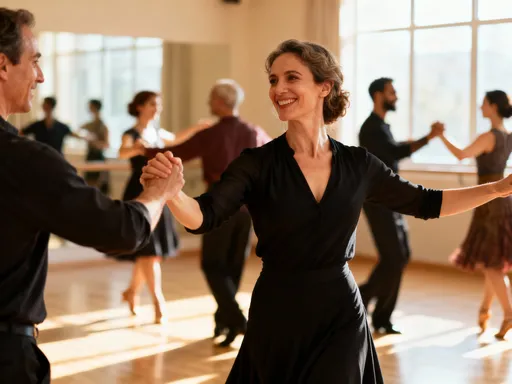
When I thought of cardio, I imagined treadmills and spin classes—expensive, time-consuming, and frankly, dull. But cardio simply means “heart work,” and it can take many joyful forms. I discovered that dancing in my living room, cycling on a stationary bike while watching TV, or climbing stairs during commercial breaks all counted. The goal was sustained movement that raised my heart rate slightly, not perfection or performance. This flexibility made it sustainable.
I aimed for 150 minutes of moderate-intensity cardio each week, as recommended by health guidelines. To avoid boredom, I rotated activities. On sunny days, I walked in the park. On rainy days, I followed online dance or low-impact aerobics videos designed for beginners. I used a stationary bike for 20-minute sessions in the evening, often listening to music or audiobooks. I also incorporated functional movement—like gardening, vacuuming with purpose, or parking farther away at stores. These small efforts added up and kept my routine varied.
To gauge intensity, I used the “talk test” instead of a heart rate monitor. If I could speak in short sentences but not sing, I was in the right zone. This method was simple and reliable. It ensured I wasn’t pushing too hard or coasting too lightly. The key was consistency, not intensity. I learned that regular, moderate effort had a greater impact on cholesterol than occasional intense workouts. By making cardio enjoyable and adaptable, I removed the pressure to perform. It became part of my life, not an interruption.
Consistency Over Intensity: The Game Changer
Early on, I made the mistake of chasing intensity. I thought harder workouts would yield faster results. But I quickly burned out. What truly moved the needle was consistency. Missing even two days in a row disrupted momentum. I realized that showing up—even for 15 minutes—mattered more than how hard I pushed. This shift in mindset was crucial. Instead of aiming for perfection, I focused on progress. I celebrated small wins: a walk completed, a strength session finished, a day of movement logged.
To stay on track, I used simple tools. I marked a calendar each day I exercised, creating a visual chain I didn’t want to break. I scheduled workouts like appointments, blocking time in my day. I also enlisted support—walking with a friend, sharing progress with my doctor, or joining an online community for motivation. These strategies built accountability without pressure. I allowed flexibility—rest days were part of the plan, not failures. Recovery is essential because muscles repair and metabolic systems rebalance during rest. Overtraining can increase stress hormones like cortisol, which may negatively affect cholesterol.
The most powerful lesson was patience. Lipid changes take time—often 8 to 12 weeks to become visible in blood tests. But with steady effort, the shifts were undeniable. My LDL dropped into a healthier range, and my HDL rose. My doctor noted improvements in overall cardiovascular markers. More importantly, I felt stronger, calmer, and more in control. This wasn’t about dramatic transformation but sustainable integration. Movement became a daily act of care, not a chore.
Putting It All Together: A Realistic Routine That Works
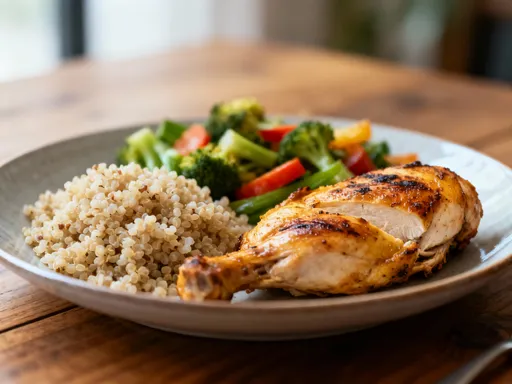
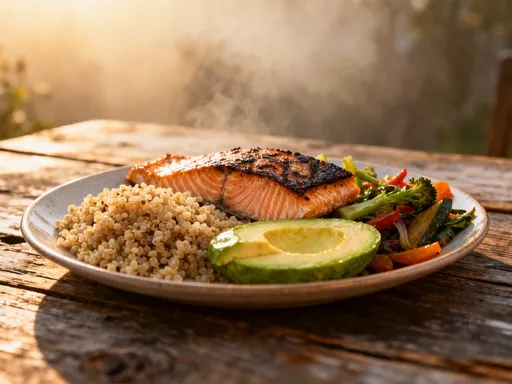
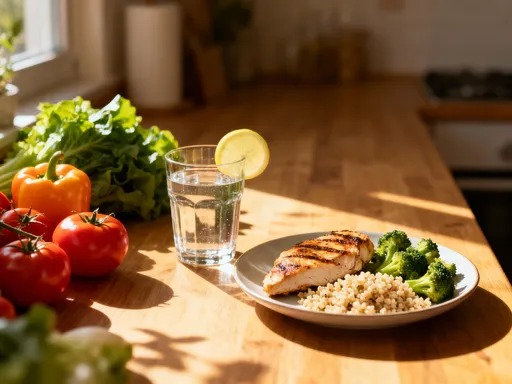
Today, my routine blends walking, strength training, and enjoyable cardio. I walk 30–45 minutes five days a week, usually in the morning. I do strength exercises twice a week, focusing on major muscle groups. I add fun cardio—dancing, cycling, or stair climbing—on three other days. This mix keeps my metabolism active and my routine balanced. I also prioritize hydration, aiming for eight glasses of water daily. I focus on sleep, aiming for seven to eight hours, knowing poor rest can disrupt cholesterol metabolism. And I eat mindfully—choosing whole grains, fiber-rich vegetables, healthy fats, and lean proteins—without strict dieting.
I don’t count calories or eliminate entire food groups. Instead, I practice moderation and awareness. I read labels, limit added sugars, and cook more at home. These choices support my exercise efforts and create a holistic approach to heart health. I also schedule regular check-ins with my doctor to monitor progress. We review blood work, discuss symptoms, and adjust as needed. This partnership ensures I stay safe and informed. I’ve learned that managing cholesterol isn’t a solo mission—it’s a collaboration between personal effort and medical guidance.
What started as fear has become a daily practice of self-respect. I no longer see exercise as a punishment for high numbers. It’s a promise to myself—a commitment to live fully and healthily for years to come. My routine isn’t flashy or extreme. It’s simple, doable, and woven into the fabric of my life. And that’s what makes it last.
Exercise isn’t a cure, but it’s one of the most powerful tools we have to manage cholesterol. What started as fear turned into empowerment—one step, one rep, one breath at a time. This journey taught me that small, smart moves add up. Your heart doesn’t need perfection. It needs motion. And you don’t need to go viral for it—just show up.